















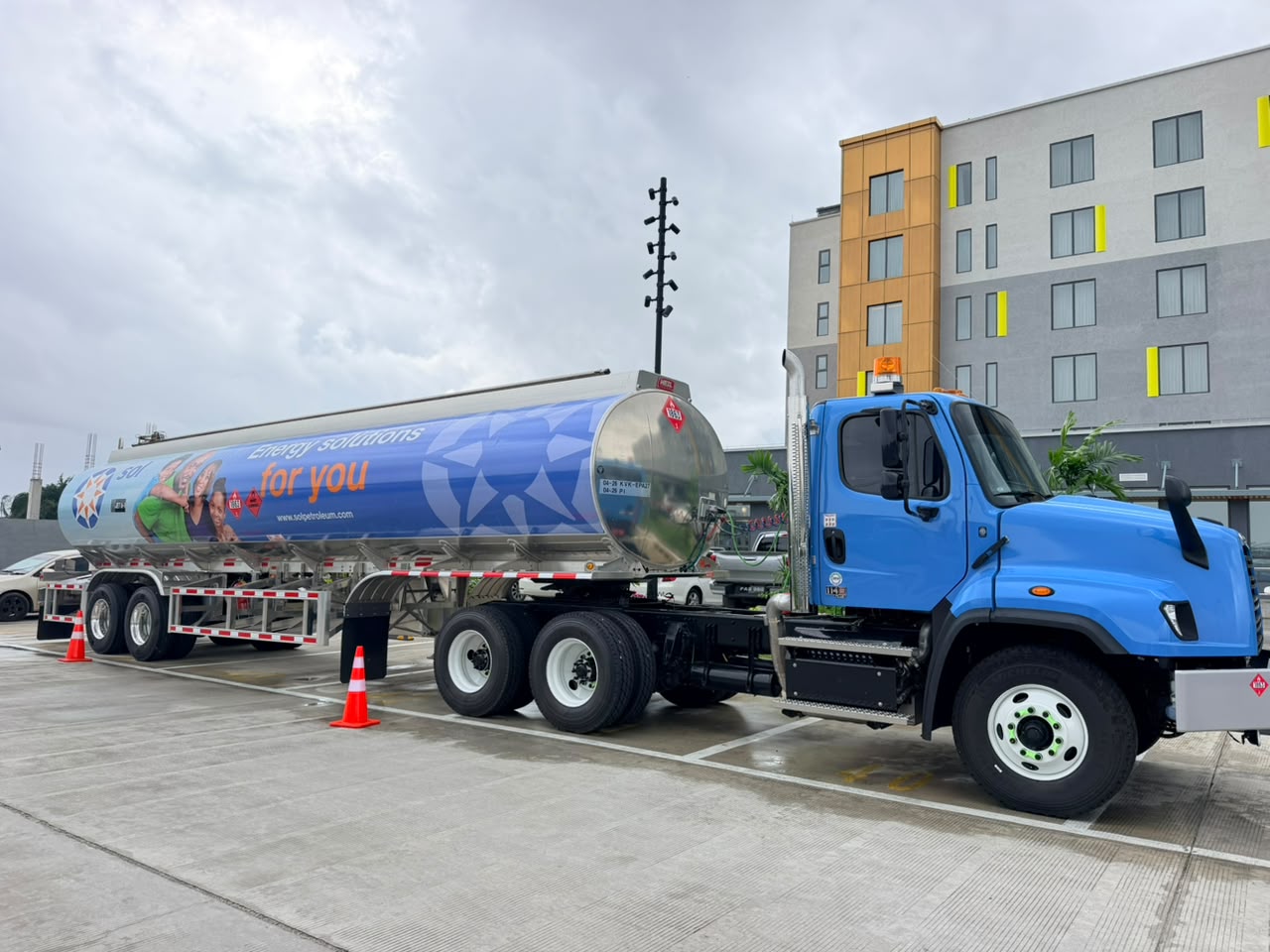
Twenty-one years after entering Guyana’s petroleum market through the acquisition of Shell’s local operations, SOL is expanding into aircraft refuelling at the Cheddi Jagan International Airport (CJIA), investing more than US$10 million in a facility that will bring greater competition to the country’s growing aviation industry.
The company officially launched its aviation refuelling operations at Timehri on Thursday, introducing an additional fuel supply option for domestic and international airlines operating at Guyana’s main international airport.
The investment, equivalent to more than G$2 billion, comes as Guyana attracts more international airlines, expands its airport infrastructure and seeks to position itself as a more competitive aviation destination.
SOL established its presence in Guyana in 2005 through the acquisition of Shell’s petroleum businesses in several markets, including Guyana, Belize and Suriname.
Two years later, in 2007, the company expanded its local operations through the acquisition of Exxon’s assets in Guyana. In 2009, SOL further strengthened its regional aviation business by acquiring Shell’s aviation operations in the Eastern Caribbean.
Its latest investment brings that regional aviation experience to a new facility at Timehri.
“Today’s launch represents much more than the expansion of our commercial footprint. It is a demonstration of our confidence in Guyana, its people and its economic future,” SOL Guyana General Manager Deborah Edward said.
“We are committed to being a strategic partner in the country’s development, creating employment opportunities, investing in infrastructure and providing our airline partners with safe, reliable and competitive fueling solutions.”
SOL's investment brings additional competition to an aviation fuel market historically served by RUBIS and the state-owned Guyana Oil Company (GUYOIL), through its subsidiary GUYOIL Aviation Services Inc. (GASI).
RUBIS inherited Chevron Texaco’s local petroleum operations in 2010, while GUYOIL commissioned its aviation fuel facility at Timehri on December 8, 2014.
Both companies are listed by CJIA as aviation fuel providers.
Competition over aviation fuel prices is not new to Guyana. As far back as 2013, local aviation operators were exploring alternative fuel supply arrangements in pursuit of more competitive prices.
The high cost of aviation fuel and anticipated growth in the aviation sector were also among the considerations behind GUYOIL’s expansion into the business more than a decade ago.
GUYOIL has subsequently expanded its operations, commissioning a 10,000-gallon jet refueller in 2019 and securing a fuel supply contract with KLM Royal Dutch Airlines in June 2025.
SOL’s investment now introduces another supply option at Timehri, at a time when the aviation market is considerably larger than it was a decade ago.
According to figures recently disclosed in the National Assembly by Minister of Public Utilities and Aviation Deodat Indar, the number of airlines serving Guyana has increased from four in 2020 to 16 in 2026.
The Government is also investing US$65 million in a second terminal at CJIA, which is expected to be completed in early 2028.
But attracting more airlines requires considerably more than building larger airports. It also creates demand for fuel, aircraft maintenance, ground handling, catering and other supporting services.
SOL said its presence at CJIA will enhance competition, improve supply flexibility and support Guyana’s ambition to attract additional international carriers.
“As Guyana continues to experience significant economic growth, increased international connectivity and rising demand for aviation services, SOL remains committed to investing in the infrastructure, people and capabilities necessary to support this expansion,” Regional Aviation Manager Aymara Cummins said.
For ordinary Guyanese, particularly those travelling during peak holiday periods, the question is whether greater competition in aviation fuel could eventually contribute to more affordable airfares.
Fuel represents one of the largest operating expenses for airlines, and having additional suppliers could give carriers greater bargaining power when negotiating fuel supply arrangements.
However, lower fuel costs do not automatically translate into cheaper airline tickets. Airfares are also influenced by passenger demand, aircraft availability, maintenance costs, airport charges and competition among airlines.
Nevertheless, competitive fuel prices and reliable supplies are important considerations for airlines looking to introduce new routes or increase the frequency of existing flights.
SOL has not yet disclosed how its fuel prices will compare with those of existing suppliers or which airlines have entered into supply agreements with the company.
Beyond the financial investment, SOL said the construction of the facility provided employment and business opportunities for local contractors, skilled workers and service providers.
With operations commencing, the company expects to create further employment opportunities across technical, operational and support functions, allowing young Guyanese to develop specialised skills and pursue careers in aviation.
Aircraft refuelling requires specialised equipment, trained personnel and stringent fuel quality and safety controls.
SOL said its operations will be supported by comprehensive employee training, established operating procedures and rigorous quality assurance protocols.
The company has not disclosed how many permanent jobs will be created.
SOL's expansion also comes at an interesting point in Guyana’s development as an oil-producing nation.
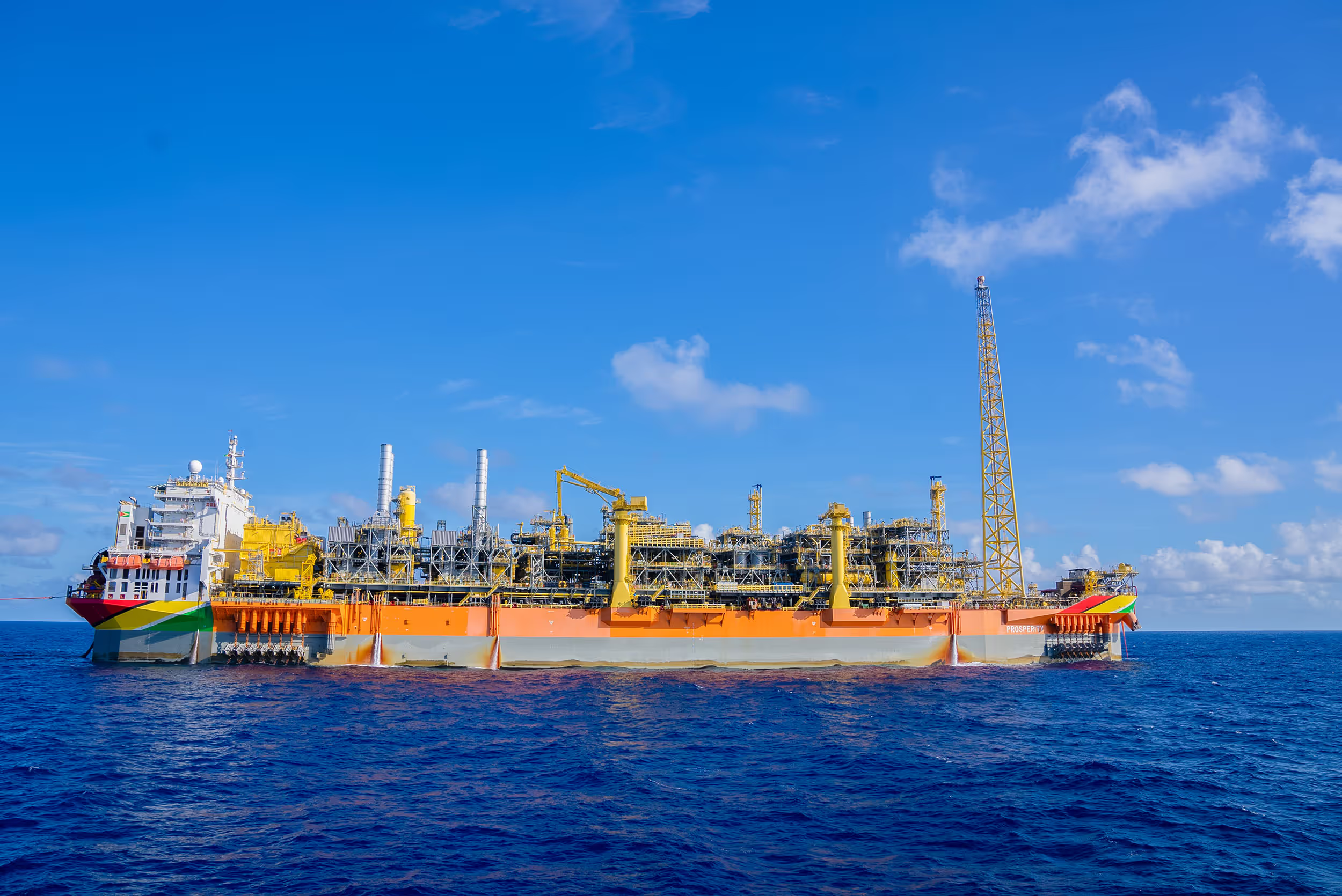
Despite having an installed offshore oil production capacity of approximately 1.1 million barrels per day, Guyana remains dependent on imported refined petroleum products, including aviation fuel.
Without an operational domestic crude oil refinery producing jet fuel, airlines operating in Guyana remain exposed to international petroleum prices and transportation costs.
Investments in fuel storage, distribution and refuelling infrastructure could nevertheless help improve supply reliability and efficiency.
SOL is part of Sunoco LP, which the company describes as the largest independent fuel distributor in the Americas and the Caribbean, distributing more than 360 million barrels of fuel annually.
According to the company, Sunoco operates in 32 countries and territories and owns more than 160 fuel terminals.