














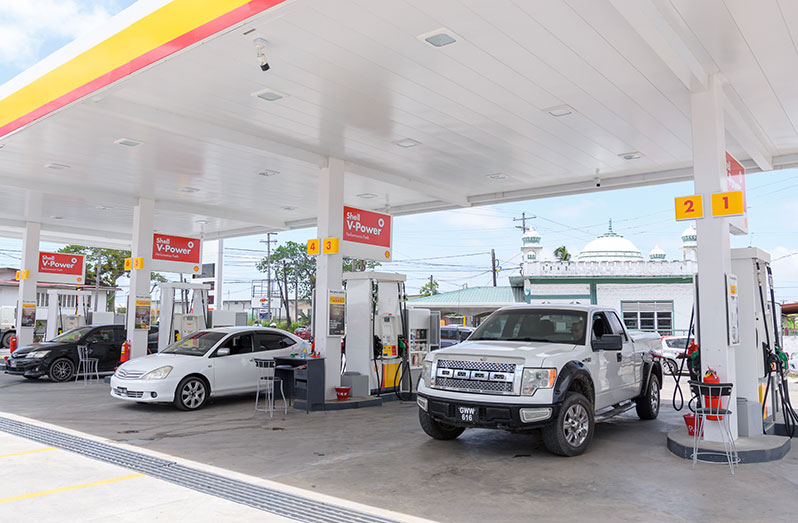
Shell Chief Executive Officer Wael Sawan has acknowledged that the company left Guyana too early, years before the scale of the country’s offshore oil industry became clear.
Sawan made the admission during a Strategic Talks session at the ROG.e 2026 energy conference in Rio de Janeiro, Brazil, on Tuesday, as he discussed Shell’s exploration strategy and the company’s search for new opportunities.
According to Upstream, Sawan described Shell’s decision to exit Guyana as an “understatement” when asked about the company’s departure from the country.
Shell withdrew from Guyana in 2014 after relinquishing its interest in the Canje and Kaieteur blocks, years before ExxonMobil’s 2015 Liza discovery transformed the outlook for Guyana’s offshore petroleum sector.
The scale of that transformation has since become one of the defining developments in the global oil industry.
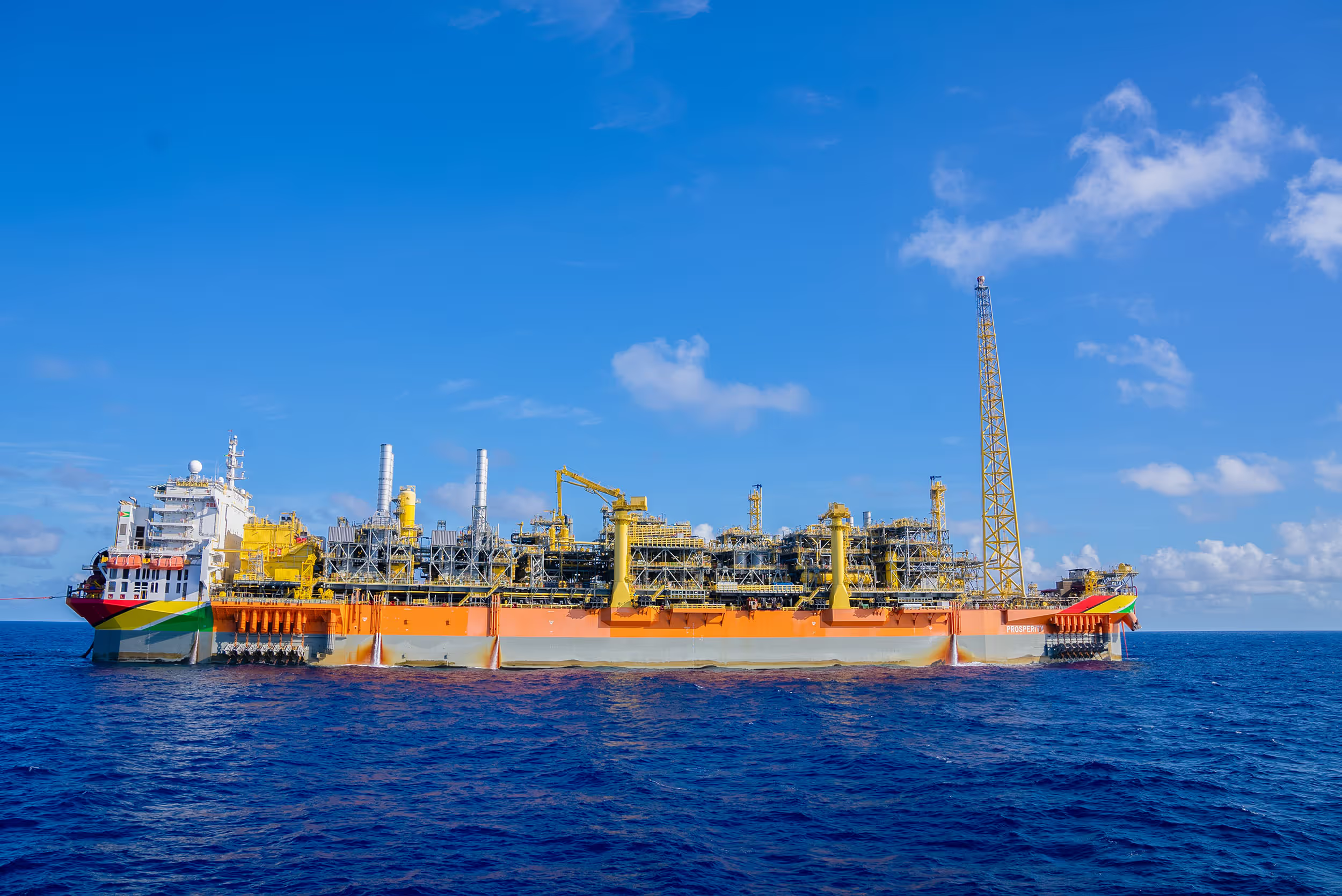
ExxonMobil and its partners have gone on to make more than 30 discoveries in the Stabroek Block, with Guyana’s offshore production now running at hundreds of thousands of barrels per day and additional projects planned to take output significantly higher.
Shell’s former position therefore stands in sharp contrast to the company’s current search for major exploration opportunities elsewhere.
Sawan pointed to Suriname and Namibia as areas where Shell sees potential for future growth, with both countries forming part of a broader frontier exploration landscape that has attracted major international oil companies.
Suriname, which shares the same prolific offshore geological trend as Guyana, has emerged as one of the region’s most closely watched exploration plays.
Shell and Chevron are preparing for another exploration effort in Suriname’s Block 42 after earlier drilling produced mixed results, according to Upstream. The companies are targeting additional opportunities as exploration continues in the waters next door to Guyana.
Shell also maintains interests in Namibia, where major offshore discoveries in recent years have generated expectations of a new petroleum province.
However, Shell’s approach to Namibia has not been straightforward. The company said in 2025 that Namibia was no longer among its highest exploration priorities as it became more selective about where it deployed exploration capital.
Sawan’s comments in Rio therefore come against a backdrop of Shell trying to balance its existing production base with the need to replenish its portfolio through new discoveries and acquisitions.
Reuters reported earlier this year that Shell faces a potential production shortfall later in the next decade as existing fields decline, increasing pressure on the company to find new resources or acquire producing assets. The company has also acknowledged that its retreat from Guyana and other areas has affected its longer-term resource position.
Shell's Guyana decision is particularly notable because the company walked away before the first oil discovery in the Stabroek Block. (Extracted and modified from upstream)



.png)