













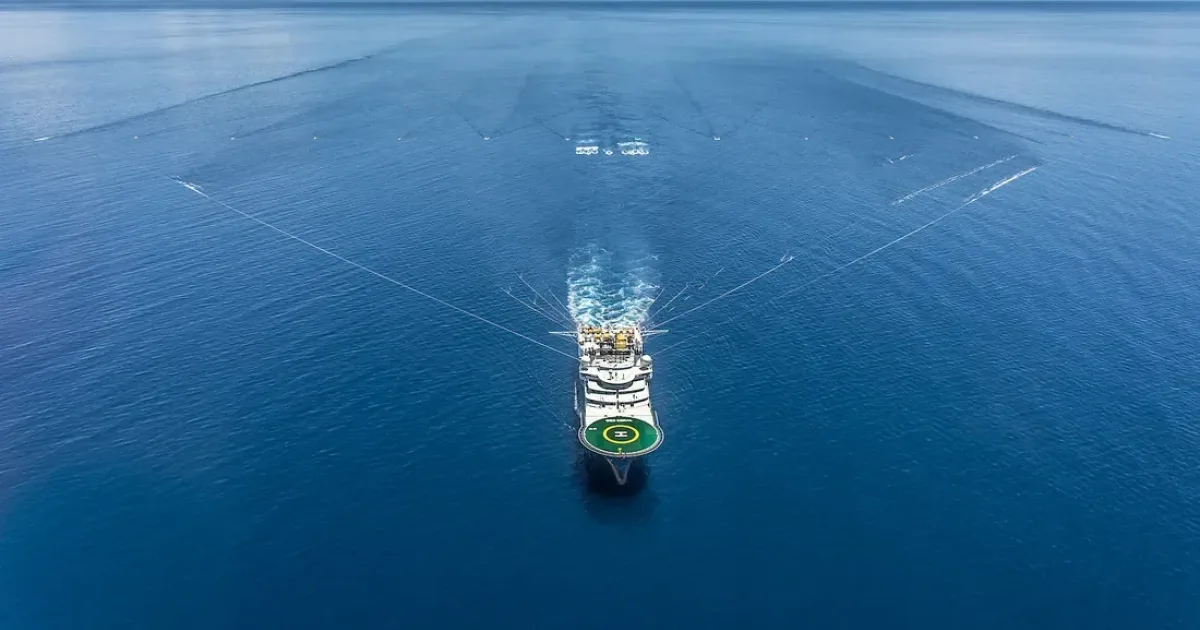
French geoscience company Viridien has launched a major project to reprocess more than 10,000 square kilometres of existing seismic data offshore Guyana, targeting areas beyond the prolific Stabroek Block as the country looks to identify further oil and gas exploration opportunities.
The first phase of the legacy 3D seismic reimaging project covers existing surveys across the Kaieteur, Georgetown, Kanuku and Corentyne blocks, with preliminary results expected in the first quarter of 2027.
The work is intended to produce a clearer picture of the geological structures beneath the seabed, helping exploration companies assess potential oil and gas prospects across areas where Guyana’s petroleum potential remains less established than in Stabroek.
According to industry publication Upstream, the project will improve subsurface imaging updip of the ExxonMobil-operated Stabroek Block and across Guyana’s available shallow-water acreage.
When integrated with new 3D seismic data, the reprocessed surveys are expected to create a regional dataset covering more than 14,000 square kilometres.
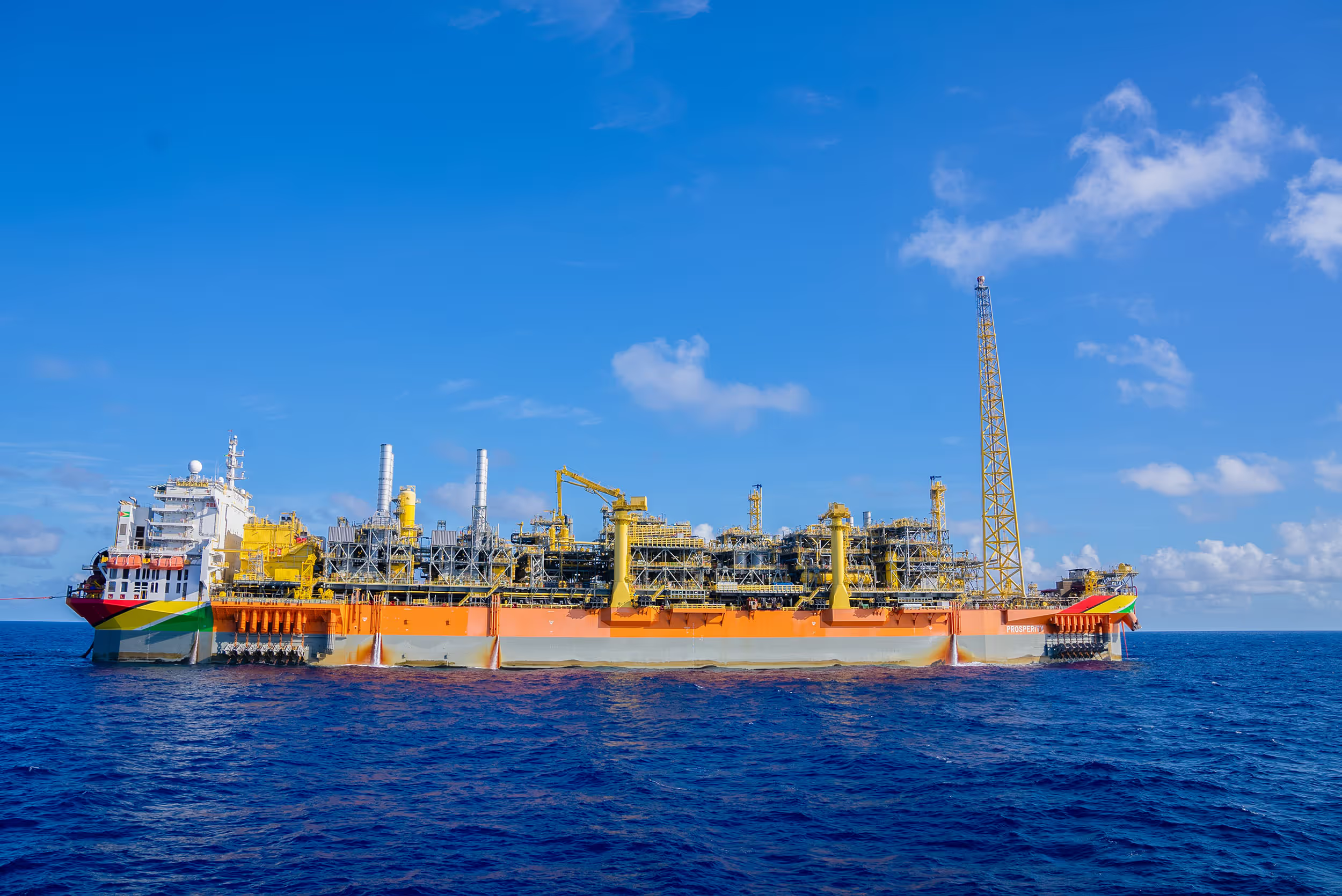
The Stabroek Block has transformed Guyana’s petroleum industry since ExxonMobil and its partners announced a major offshore discovery at Liza in 2015. It now hosts the country’s producing oil developments and a growing fleet of floating production, storage and offloading vessels.
The latest Viridien project focuses on improving the understanding of other offshore areas, including Kaieteur, Georgetown, Kanuku and Corentyne.
Better seismic images can help exploration companies interpret underground structures, assess possible hydrocarbon-bearing formations and determine where further exploration may be justified.
The project could therefore help narrow the information gap for companies considering acreage outside Guyana’s established production hub.
Viridien’s project centres on reimaging seismic information that has already been collected, applying modern processing techniques to extract a clearer geological picture from existing datasets.
The company holds exclusive access and commercialisation rights to the legacy datasets, according to industry reporting.
The improved imaging, combined with newly acquired 3D seismic information, is intended to provide a more continuous regional view of the offshore basin and support evaluations of emerging exploration plays, opportunities linked to existing infrastructure and potential future licensing activity.
The results could be particularly relevant as Guyana continues to develop its offshore petroleum framework and prepares to attract further investment into areas outside its established producing fields.
The reimaging project comes alongside a separate shallow-water seismic programme involving Viridien and BGP under an agreement with Guyana’s Ministry of Natural Resources.
Announced in March 2026, that programme covers approximately 25,000 square kilometres across shallow-water acreage Lots 2, 3 and 4. BGP is responsible for acquiring new 3D seismic data, while Viridien is undertaking advanced seismic imaging.
The two initiatives serve related but distinct purposes: the larger programme involves collecting new seismic data, while the legacy project seeks to improve existing information and integrate it with new data where appropriate.
Together, they form part of a broader effort to improve the geological information available to potential investors and support future exploration decisions.