














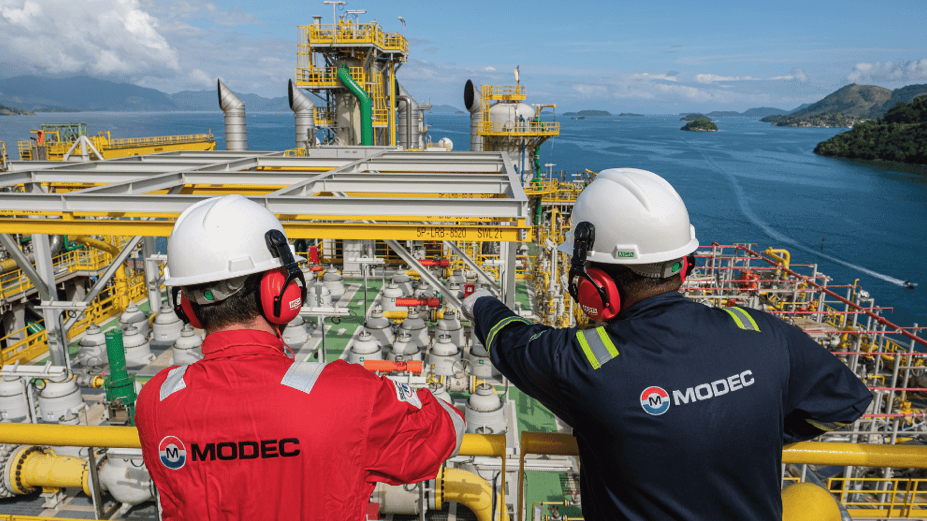
Japanese offshore engineering company MODEC is reporting stronger financial results in the first half of 2026 as major offshore projects, including those connected to Guyana, continue to progress.
MODEC reported revenue of US$2.447 billion for the first half of 2026, an 18% increase compared with the same period in 2025.
Adjusted EBITDA reached US$297 million, while net income climbed to US$224 million, a 54% increase compared with the first half of 2025.
The company attributed the performance partly to steady progress on major EPCI projects.
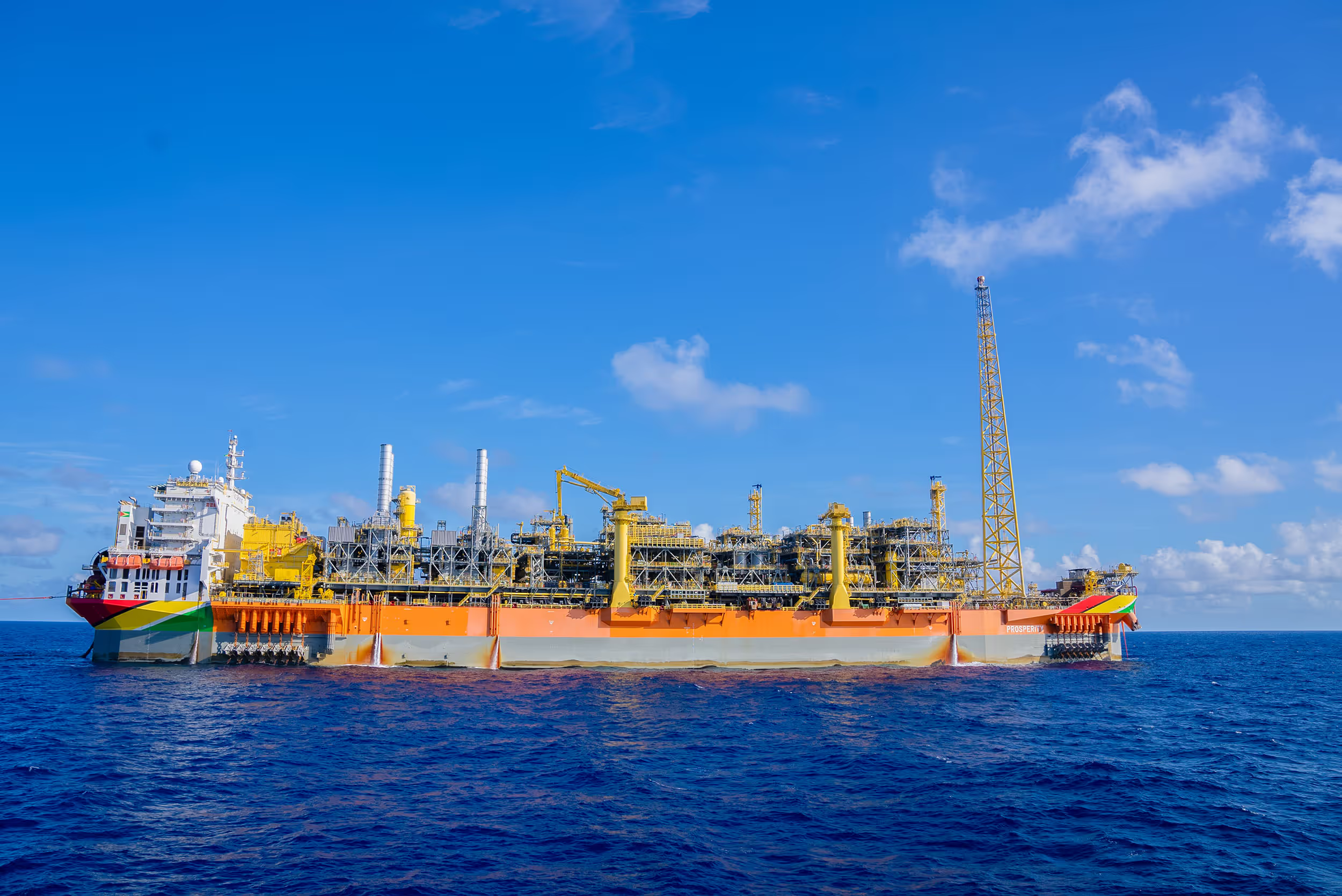
Among those projects are ExxonMobil's Hammerhead development in Guyana and the Gato do Mato project in Brazil.
MODEC's total backlog stood at US$25 billion at the end of the first half of 2026.
The company's EPCI business generated US$1.616 billion in revenue during the first half of the year, up from US$1.397 billion during the same period in 2025.
Its operations and maintenance business also increased, generating US$797 million compared with US$628 million in the first half of 2025.
The figures provide a wider picture of the business environment surrounding Guyana's offshore expansion.
MODEC's Guyana involvement is not limited to constructing an FPSO and leaving the country.
For Hammerhead, MODEC is contracted to provide operations and maintenance services for 10 years from first oil.
The same model applies to the Uaru project.
MODEC says it will provide operations and maintenance services for Errea Wittu for an initial 10-year period.
That means Guyana could provide MODEC with revenue opportunities extending well beyond the construction phase of the vessels.
The company's business model is based on long-term contracts. MODEC says charter contracts can run for 10 to 25 years, while operations and maintenance contracts are also long-term arrangements.
For Guyana, the significance is that offshore oil development generates economic activity at several stages—from engineering and construction to operations, maintenance and marine support.
The country's growing offshore industry is therefore creating a market not only for oil producers but also for companies providing the specialised infrastructure needed to keep the industry running.



.png)
.jpg.jpeg)