

















Guyanese now have more ways to send and receive money without handling physical cash, but the country's transition toward digital payments is happening alongside continued heavy use of banknotes.
The latest Bank of Guyana balance sheet records $507.2 billion in Bank of Guyana notes in circulation as at September 9, 2026.
That comes as the financial system introduces new ways for consumers and businesses to move money electronically.
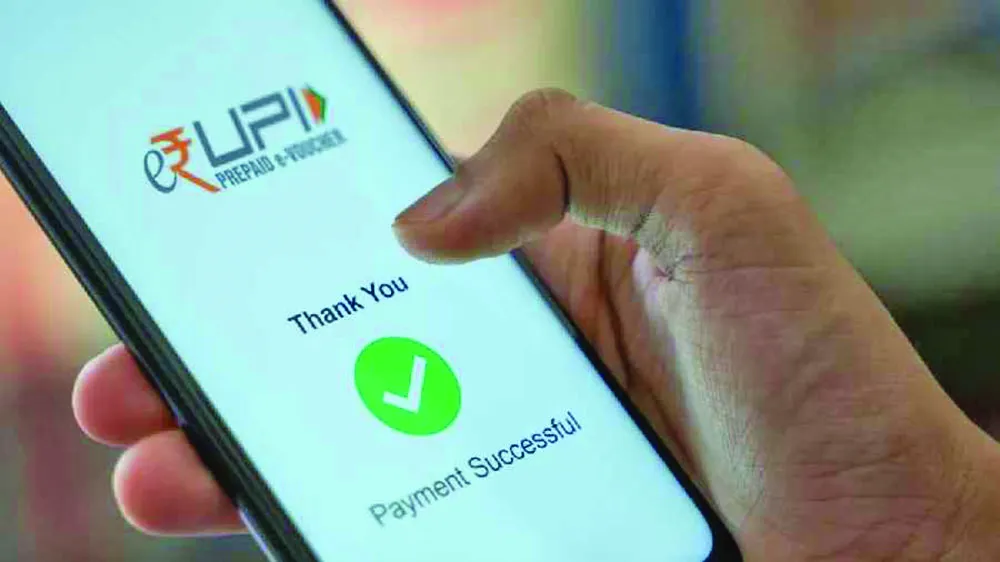
Some oif the options to pay digitally, include MMG, SurePay and bank apps to QR payments, debit cards and mobile wallets, but billions of dollars are still carried in cash.
In June, Guyana launched FAST PAY, a real-time payment system allowing customers of participating banks to send and receive money instantly through mobile phones and internet banking, at any time and on any day.
The system is intended to make everyday transactions faster and cheaper while reducing reliance on cash.
But changing the technology people can use does not necessarily mean changing the way they pay.
For many Guyanese, cash remains the simplest option for everyday transactions, particularly where businesses or individuals do not have access to electronic payment facilities.
The continued use of physical money also reflects the size of the informal and small-business economy, where cash remains a familiar method of payment.
At the same time, the country's financial system is becoming increasingly digital.
The Government is also advancing a digital-payment initiative aimed at hinterland communities, including QR-code payments that can allow residents to receive money, make purchases and access financial services through their bank accounts without repeatedly travelling to urban centres.
Instead of travelling to a bank branch, withdrawing cash and physically delivering it to someone, a digital payment can move between accounts in seconds.
For a small business, digital payments can reduce the need to keep large amounts of cash on hand and can create a digital record of transactions.
For people in remote communities, digital banking can also reduce the cost and inconvenience of travelling long distances simply to access basic financial services.
Yet cash remains deeply embedded in the economy.
The persistence of physical currency is particularly significant because Guyana is simultaneously investing in infrastructure intended to make electronic payments faster, easier and more accessible.
The bigger shift is whether those alternatives become convenient and trusted enough to replace the everyday transactions that have traditionally been settled with banknotes.
The transition will also depend on businesses.
Digital payments only become useful to consumers when the shops, vendors, service providers and other businesses they deal with are willing and able to accept them.



.png)