

















Guyana's electricity system is being planned for one of the fastest periods of growth in the Caribbean, with demand expected to increase more than five-fold by 2030 as the country's economy expands on the back of oil and gas, new housing developments, industrial activity and emerging technologies.
That was the message delivered by Guyana Power and Light Inc.'s (GPL) System Planning and Research Manager, Dhanraj Bachai, during the Caribbean Electric Utility Services Corporation (CARILEC) Engineering and Procurement Conference and Exhibition, where he presented on"Best Practices in Power Sector Modelling and Planning."
Bachai's presentation highlighted how GPLis shifting from traditional electricity planning to sophisticated forecasting models that combine economic growth projections with major infrastructure developments to determine when and where new generation, transmission and distribution investments will be needed.
According to the utility's projections, peak demand on the interconnected GPL-Linden power system is expected to rise from 318 megawatts (MW) in 2026 to 1,671 MW by 2030—representing an average annual growth rate of approximately 39% over the period. Actual peak demand this year stands at about 245 MW, underscoring the scale of expansion GPL is preparing for.
Electricity consumption is forecast to follow a similar trajectory. Annual energy demand is projected to increase from approximately 2,000 gigawatt-hours (GWh) in 2026 to more than 10,440 GWh by 2030, also reflecting average annual growth of around 39%.
The projections are based on a planning framework that considers both historical demand trends and future economic activity. In addition to traditional forecasting methods, GPL is modelling the expected impact of government housing programmes, major infrastructure projects, industrial expansion, electric vehicle adoption, data centres and continued growth from Guyana's oil and gas sector.
Speaking during the conference, Bachai explained that demand forecasting has become the foundation for virtually every major investment decision made by the utility, guiding everything from generation expansion to transmission corridors, substations and distribution feeder upgrades.

The presentation outlined how GPL is using internationally recognised planning tools and reliability standards to evaluate future investments. Rather than relying solely on reserve margins, the utilityi s conducting probabilistic reliability studies to assess outage risks, generation adequacy, fuel costs, renewable integration and battery energy storage requirements before capacity is added to the system.
The forecasts are already shaping one ofthe most ambitious electricity expansion programmes in Guyana's history.
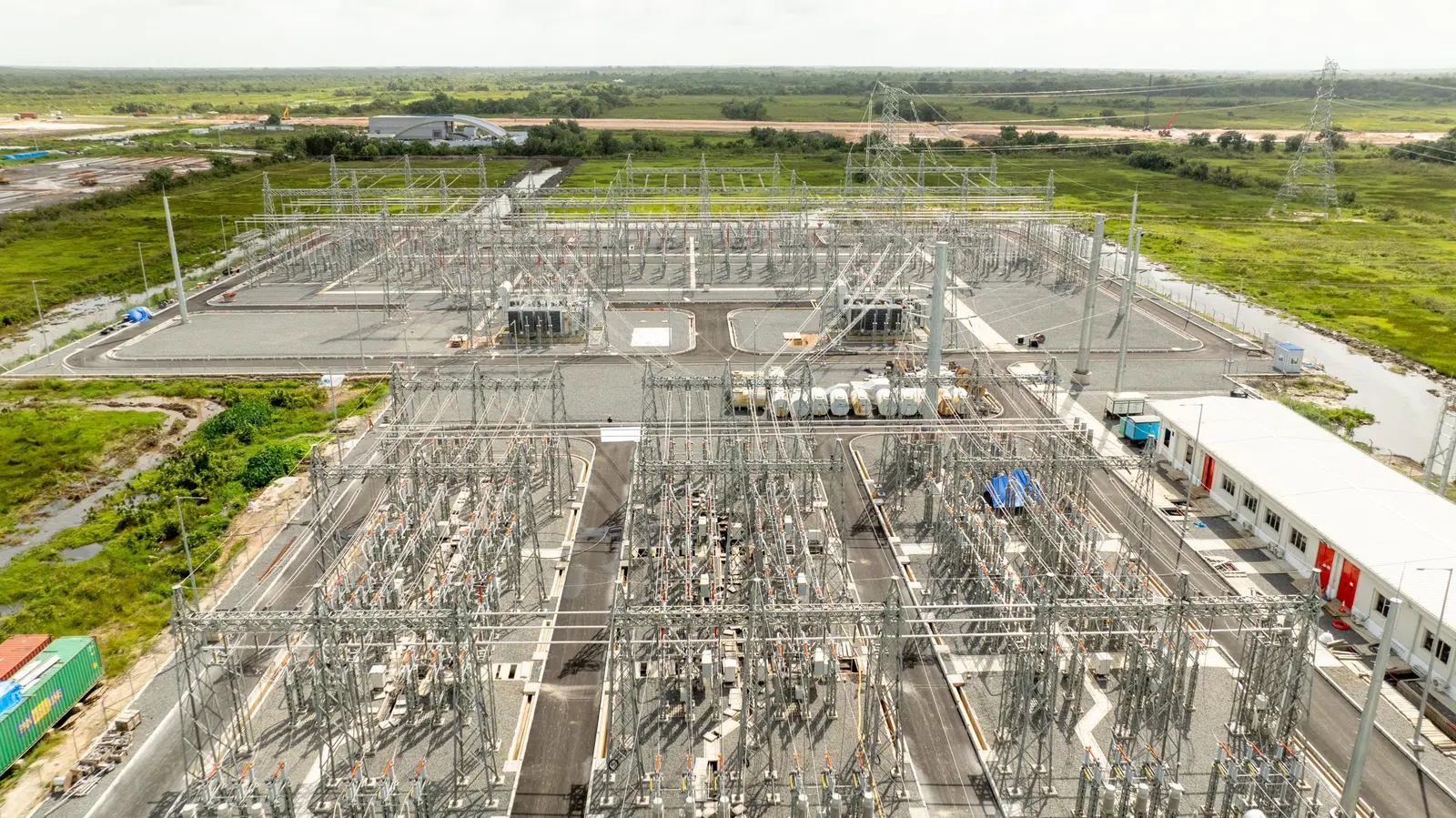
Projects currently under execution include the 300 MW Gas-to-Energy power plant at Wales, the 15 MW Linden Solar PV and Battery Energy Storage System, approximately 155 kilometres of new 230-kilovolt transmission lines, 214 kilometres of 69-kilovolt transmission lines, two new transmission substations, nine new distribution substations and 53 new primary distribution feeders serving more than 60 communities.
Looking beyond those projects, GPL is planning additional gas-fired power plants in Berbice and on the Essequibo Coast, utility-scale solar farms paired with battery storage systems and further transmission infrastructure to improve reliability while supporting continued economic growth.
Bachai also joined a panel discussion on "Grid Modernization, Resilience and Strategic Procurement in Focus,"where regional utility leaders exchanged ideas on strengthening electricity networks against climate risks while ensuring power systems remain reliable, affordable and capable of supporting rapidly growing economies.
His presentation showcased not only Guyana's expanding energy ambitions but also GPL's growing technical leadership within the Caribbean, as the utility shares its experience planning for an electricity system unlike any the region has seen before.



.png)
.jpg.jpeg)