


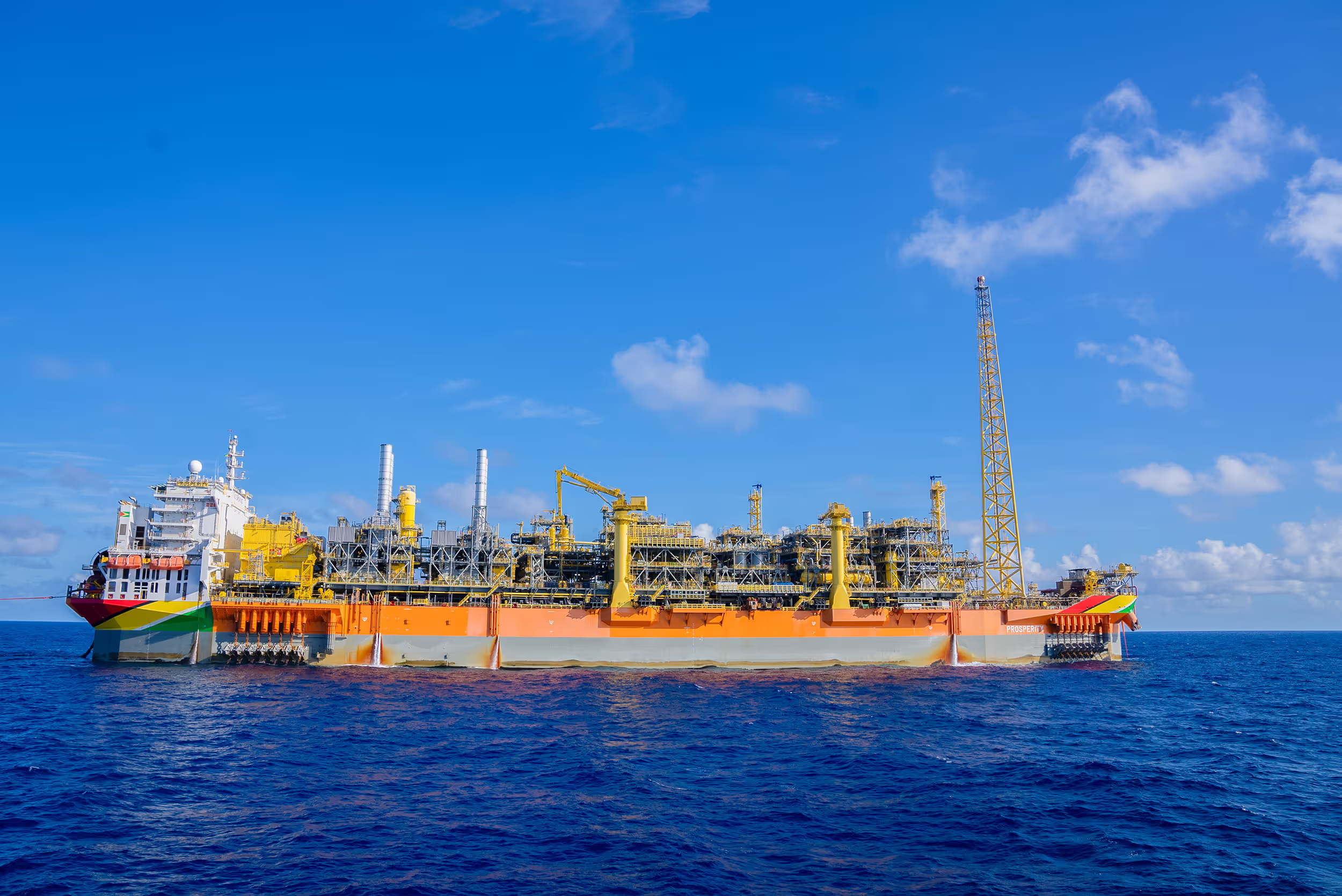















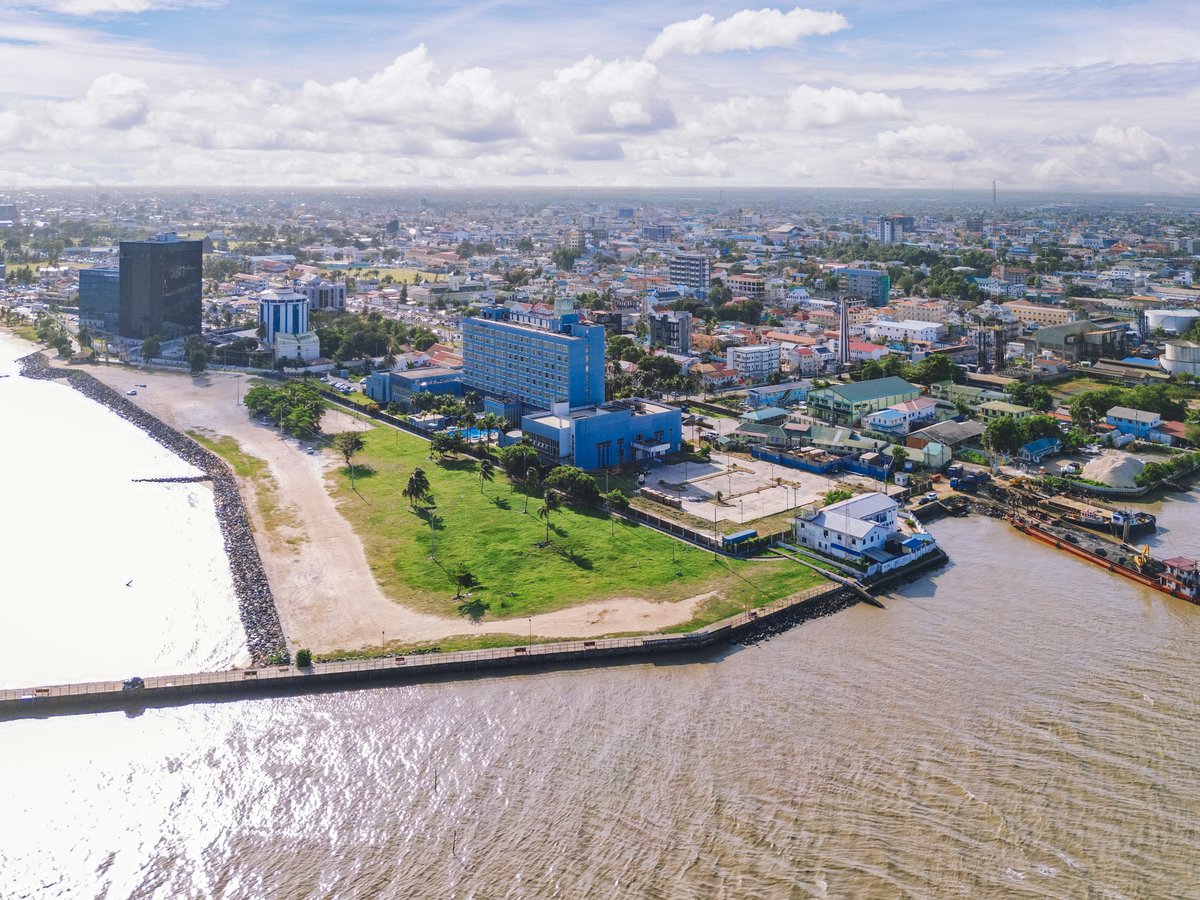
Guyana's oil industry is poised to deliver even greater benefits to the country in the years ahead, with the International Monetary Fund (IMF) projecting continued production growth and a larger share of petroleum revenues flowing to the State as oil companies recover their investment costs.
In its 2026 Article IV Mission concluding statement, the IMF described Guyana's economic outlook as "highly favorable," crediting the country's unprecedented expansion to robust oil production alongside sustained growth in the non-oil economy.
The Fund said offshore oil output exceeded expectations, surpassing 900,000 barrels per day by the end of 2025—a 35% increase over the previous year—with production remaining at similar levels during the first half of 2026.
According to the IMF, additional offshore developments are expected to drive production even higher over the medium term as new fields come onstream and existing projects mature.
Just as significant, the Fund said Guyana stands to receive a growing share of oil revenues in the coming years.
"As oil operators complete cost recovery, a larger share of oil revenues will accrue to Guyana through higher Natural Resource Fund inflows," the IMF stated, pointing to stronger export earnings and an improving fiscal position supported by higher production.
The IMF praised the government's management of the country's oil wealth, saying continued deposits into the Natural Resource Fund (NRF), coupled with major investments in infrastructure, health and education, are helping build fiscal resilience while supporting long-term economic diversification.
Despite the rapid expansion of the petroleum sector, the IMF said there are no clear signs that Guyana's economy is overheating. However, it urged policymakers to closely monitor wage growth and remain vigilant against inflationary pressures that could emerge as the economy continues to expand.
The Fund also cautioned that persistently high oil prices, while boosting government revenues, could place additional pressure on the economy by driving inflation and causing the real exchange rate to appreciate beyond levels consistent with balanced growth.
Even with those risks, the IMF maintained that Guyana's prospects remain exceptionally strong.
It projects the non-oil economy will grow by an average of about 7% over the next five years, supported by continued public investment, while the expanding oil sector is expected to underpin strong fiscal and external balances.
The IMF also commended Guyana for maintaining prudent fiscal policies during the oil boom, noting that the country has accumulated substantial savings in the Natural Resource Fund while maintaining one of the lowest debt-to-GDP ratios in the hemisphere.
Looking ahead, the Fund encouraged authorities to continue saving a larger share of additional oil revenues if prices remain elevated, strengthen governance in the extractive sector, complete outstanding cost-oil audits, and ensure public spending remains focused on productivity-enhancing projects that deliver lasting benefits.
The IMF concluded that while oil has transformed Guyana's economic fortunes, sustaining that success will depend on continued fiscal discipline, stronger institutions and policies that convert petroleum wealth into broad-based and durable national development.



.png)
.jpg.jpeg)