















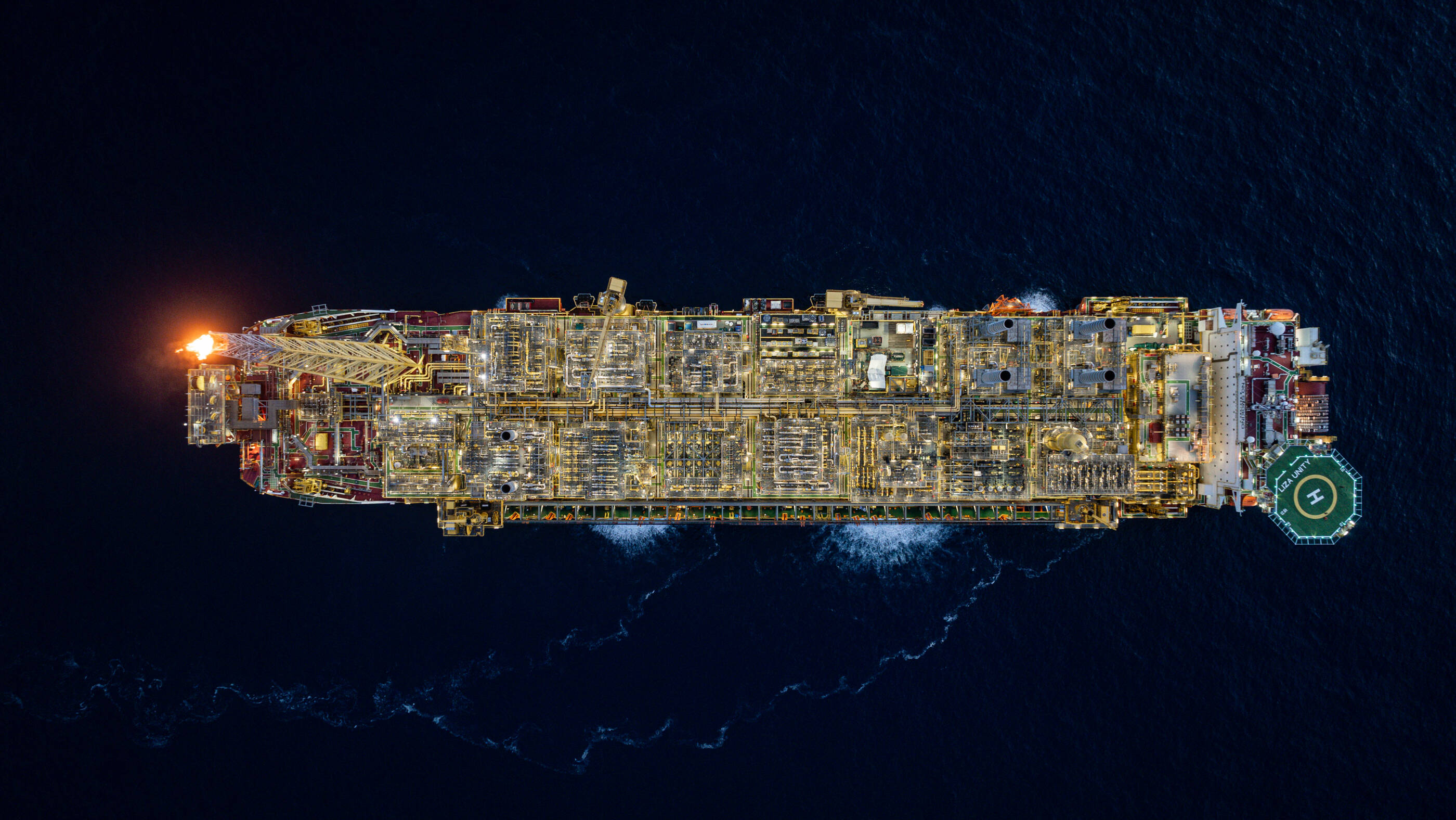
Guyana's first four offshore oil production vessels are doing more than pumping record volumes of crude They are outperforming the expectations that justified billions of US dollars ininvestment.
In its latest quarterly earnings presentation, ExxonMobil revealed that the country's first four Floating Production, Storage and Offloading (FPSO) vessels are continuing to exceed their original investment expectations while delivering an impressive 98 per cent reliability so far this year.
For a country that only entered oil production in late 2019, the disclosure underscores just how quickly Guyana has become one of the world's most successful deepwater petroleum developments.
It also helps explain why Exxon and its partners continue to accelerate investment in the Stabroek Block, where development planning is already advancing toward a ninth FPSO expected around 2031.
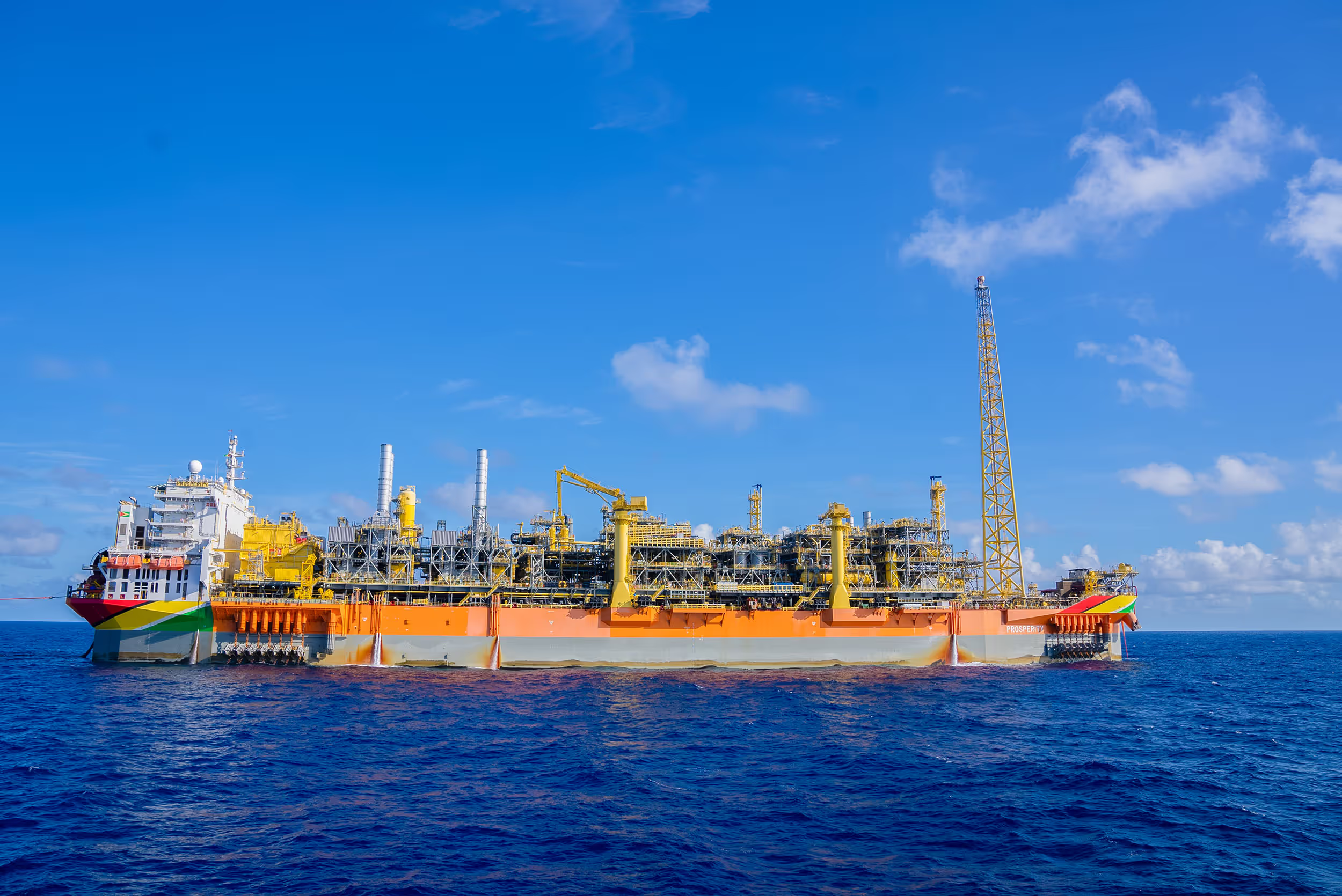
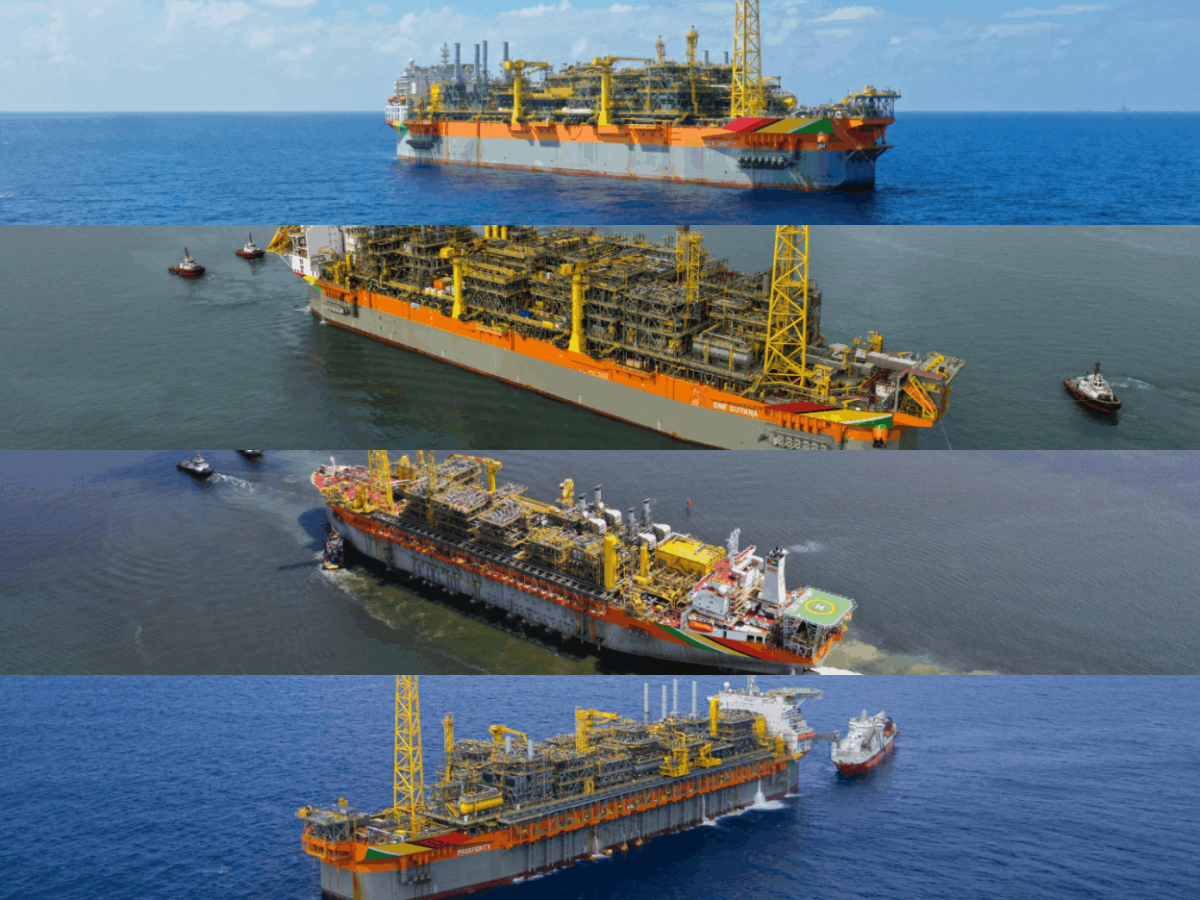
The four vessels currently producing offshore Guyana are:
Liza Destiny
Liza Unity
Prosperity
ONE GUYANA
Together, they have transformed Guyana into one of the fastest-growing oil-producing nations in the world.
Each FPSO is essentially a floating offshore production facility capable of processing oil and gas from subsea wells, storing crude and offloading it to export tankers.
Unlike fixed offshore platforms, FPSOs are designed to operate in deep water for decades while allowing multiple fields to be developed more efficiently.
What does "exceeding expectations" actually mean?
Although Exxon did not quantify exactly how much additional value the four vessels have generated, the company said they continue to perform above their original investment expectations.
That statement is significant.
Before a project receives final approval, oil companies model expected production, operating costs, equipment reliability and long-term financial returns.
Projects are sanctioned only if they meet demanding commercial benchmarks.
For Exxon to report several years later that the first four FPSOs are outperforming those original assumptions suggests the projects are producing greater value than initially forecast.
Perhaps the most striking figure in Exxon's presentation is 98 per cent reliability.
In simple terms, reliability measures how often the production vessels are available and operating as intended.
For offshore developments producing hundreds of thousands of barrels every day, even small interruptions can translate into substantial production losses.
If an FPSO capable of producing around 250,000 barrels per day experiences an unplanned shutdown, every hour offline can defer thousands of barrels of production.
Multiply that across multiple vessels and the financial implications become enormous.
Maintaining reliability close to 100 percent means production continues flowing, export cargoes remain on schedule and revenues continue reaching both investors and the Guyanese treasury.
The company is already progressing projects beyond the first four FPSOs.
A fifth production vessel is expected to begin operations later this year, while additional developments—including Hammerhead and Longtail—are advancing through the company's project pipeline.



.png)
.jpg.jpeg)