














.png)
Guyana now expects US$6.5 billion (or roughly G$1.4 trillion) in oil revenues, a figure significantly higher than what was earlier projected due to the faster recovery of costs and increased oil prices.
According to the 2026 mid-year report that was released on Monday, petroleum deposits for this year are now projected to total US$6.497 billion — a staggering 136.8% higher than what was anticipated when Budget 2026 was prepared.
Of that, the Government of Guyana is expected to earn US$5.972 billion (or G$1.25 trillion) from the sale of its share of profit oil, and a further US$508.1 million (roughly G$106.3 billion) in royalties.
So what changed?
Earlier this year, when the 2026 budget was presented, the government anticipated receiving 40 of the 309 profit oil lifts projected from the Stabroek Block, where an ExxonMobil-led consortium has been producing oil since 2019. Updated projections now point to 326 total lifts, with the government receiving an estimated 84 — more than double the original estimate.
There are several reasons for this.
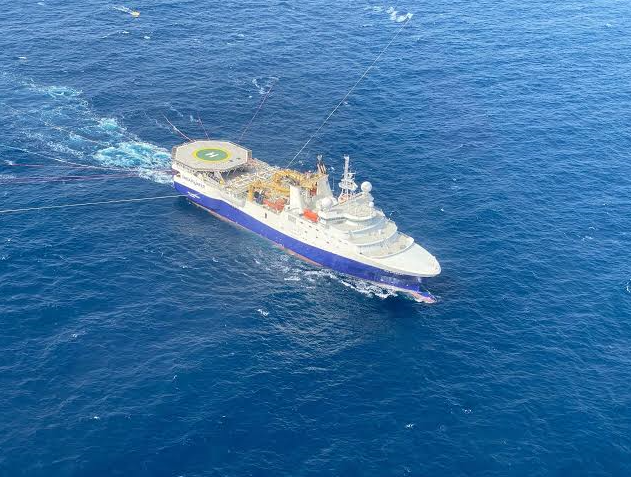
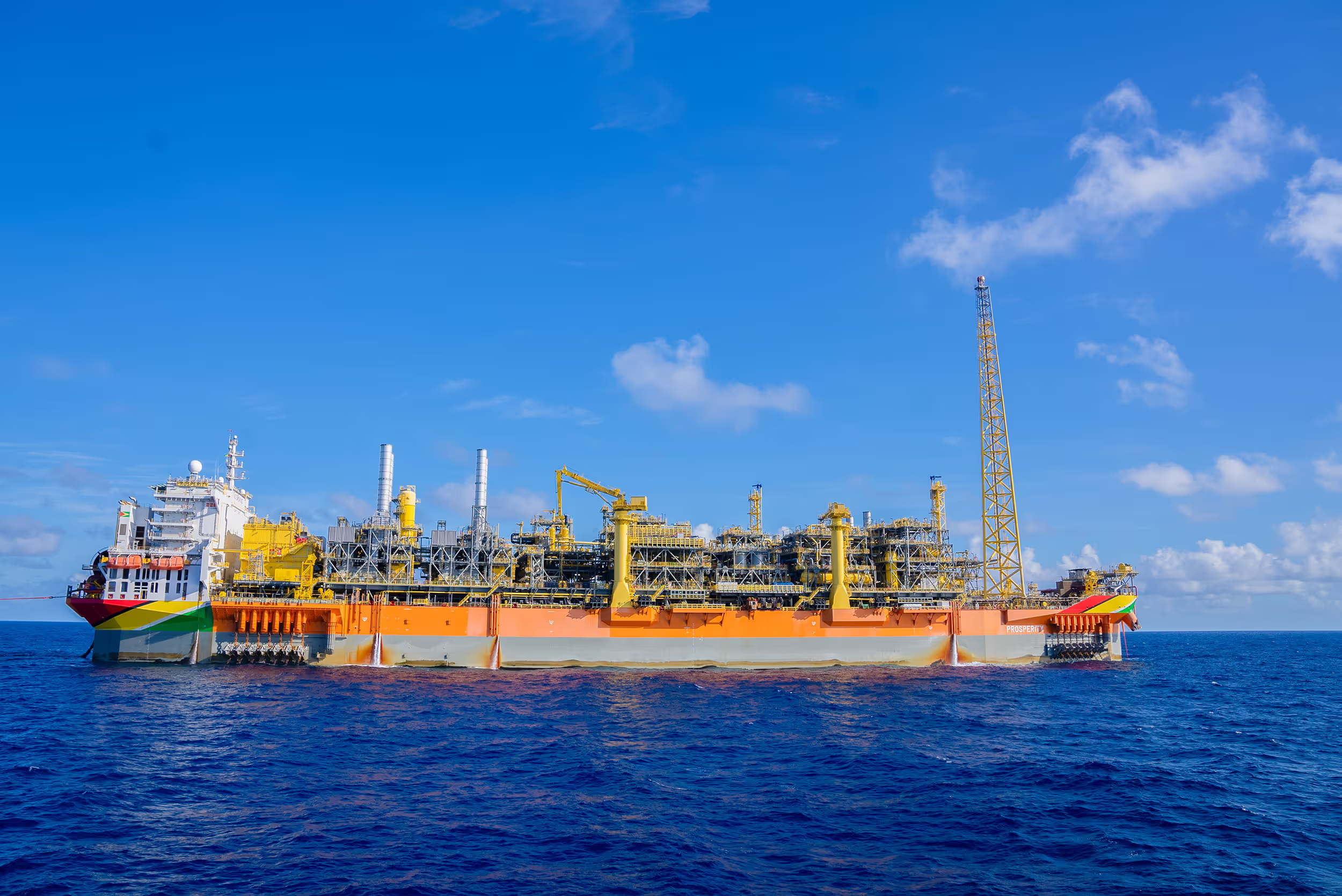
First, more oil is being produced offshore Guyana from the four Floating Production, Storage, and Offloading (FPSO) vessels operating in the Stabroek Block. A fifth FPSO, Errea Wittu, arrived in Guyana in August and should start producing oil in the fourth quarter of 2026. With the five FPSOs, Guyana’s daily oil production should be about one million barrels.
Then, there is the global price environment. Conflict between the United States and Iran has led to significant disruptions in the industry, including the closure of the critical Strait of Hormuz, where about 20% of global oil supplies transit. The conflict has driven up oil prices, and Guyana, which is producing more oil, gets more money for its crude.
Finally, there has been an acceleration of cost recovery. Under Guyana's Production Sharing Agreement (PSA), the ExxonMobil-led consortium is allowed to recover eligible exploration, development and operating costs using up to 75% of monthly oil production, commonly referred to as "cost oil." Once those costs are recovered, the remaining production, known as "profit oil", is shared equally between Guyana and the contractors, after the payment of the 2% royalty. The profit oil is 25%, so Guyana gets half (12.5%) plus the 2% royalty, while the consortium (ExxonMobil, CNOOC and Chevron) gets the other half.
As gross revenue increases (because of higher prices and the availability of more oil to sell) and the accumulated cost bank reduces, the cost-oil deduction falls toward current operating costs. That means Guyana receives a greater share of profit oil — consistent with the PSA framework.
The mid-year report, however, is careful to note that clearing the historical cost bank balance does not automatically deliver a 50% share of gross revenue to the government. The Stabroek Block partners will continue recovering current costs — which remain below 75% of gross revenue — meaning the government will receive more than 12.5% of gross revenue in profit oil. As additional projects are approved and their development costs enter the cost bank, the profit oil ratio will shift again.
First half performance
The report also noted that in the first half of 2026, there were 162 lifts of crude oil from the Stabroek Block. Of these, the government received 21 profit oil lifts across the four producing FPSOs — three from the Liza Destiny, six from the Liza Unity, six from the Prosperity, and six from the One Guyana FPSO.
During the January to June period, the government received US$1.779 billion (or about G$372 billion) in profit oil revenue — covering payments for three lifts from Q4 2025 and 18 of the 21 lifts from the first half of this year. Royalty receipts of US$218.4 million (or about G$45.7 billion) were also received, tied to crude oil production and sales in Q4 2025 and Q1 2026.
NRF balance
The cumulative balance in the Natural Resource Fund (NRF) stood at US$4.294 billion (or G$897.9 billion) at the end of June 2026, inclusive of US$66.9 million in interest income, after withdrawals of US$1.020 billion.
For the full year, US$2.374 billion (G$496.4 billion) is expected to be withdrawn from the Fund in accordance with the NRF Act 2021.



.png)