
















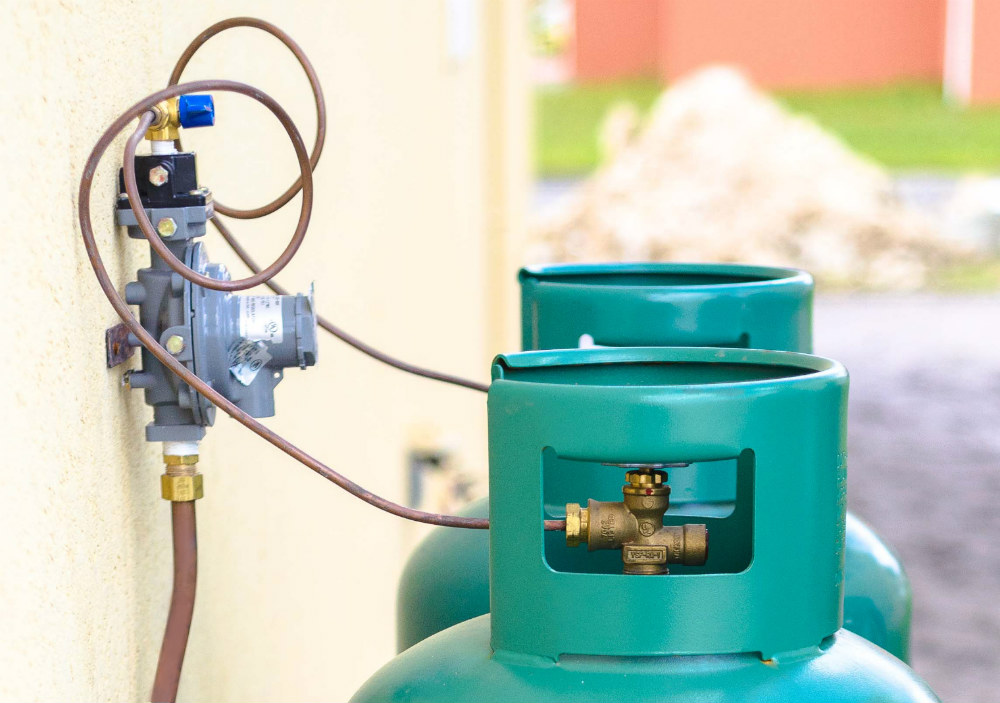
More Guyanese are using cooking gas, and not just to prepare meals at home. From hotels and restaurants to businesses operating boilers and dryers, demand for liquefied petroleum gas (LPG) is growing, with Massy Gas Products (Guyana) Ltd. reporting that annual sales have more than doubled over the last 11 years.
The company, one of Guyana's major cooking gas suppliers, says the local market is now selling more than 330,000 barrels of LPG annually, compared with approximately 160,000 barrels in 2015.
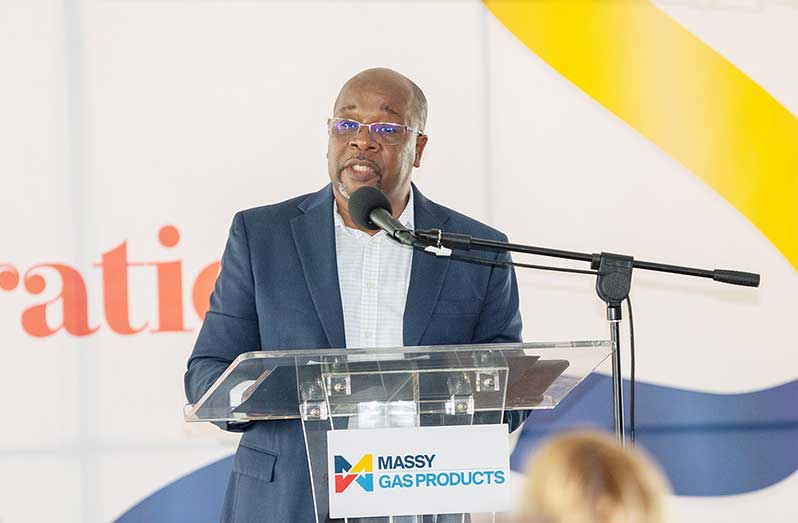
Chief Executive Officer Augustus Harris disclosed the figures during a breakfast meeting with journalists on Thursday, November 12, explaining that the growth has been driven by both household consumption and expanding commercial use.
And with Guyana expected to begin producing its own LPG as early as 2027, Harris believes the market could grow even further, particularly if local production brings down the price consumers pay for cooking gas.
For years, cooking gas has been a staple in Guyanese households, but its use is now extending well beyond the kitchen. Businesses are increasingly relying on LPG to power equipment used in their daily operations, creating new opportunities for suppliers and changing the way the fuel is consumed locally.
Harris said the commercial and industrial market has become an important part of that growth, with LPG being used in boilers, dryers, hotels and other business operations.
These applications require larger and more consistent supplies of gas than typical household cooking, adding another source of demand as commercial activity expands.
The increase in sales has also forced Massy to expand its own operations to keep up with customers.
Harris recalled that around 2015, the company was still filling gas cylinders manually. Since then, it has invested in an automated filling system, known as a carousel, equipped with 12 scales to fill cylinders more efficiently.
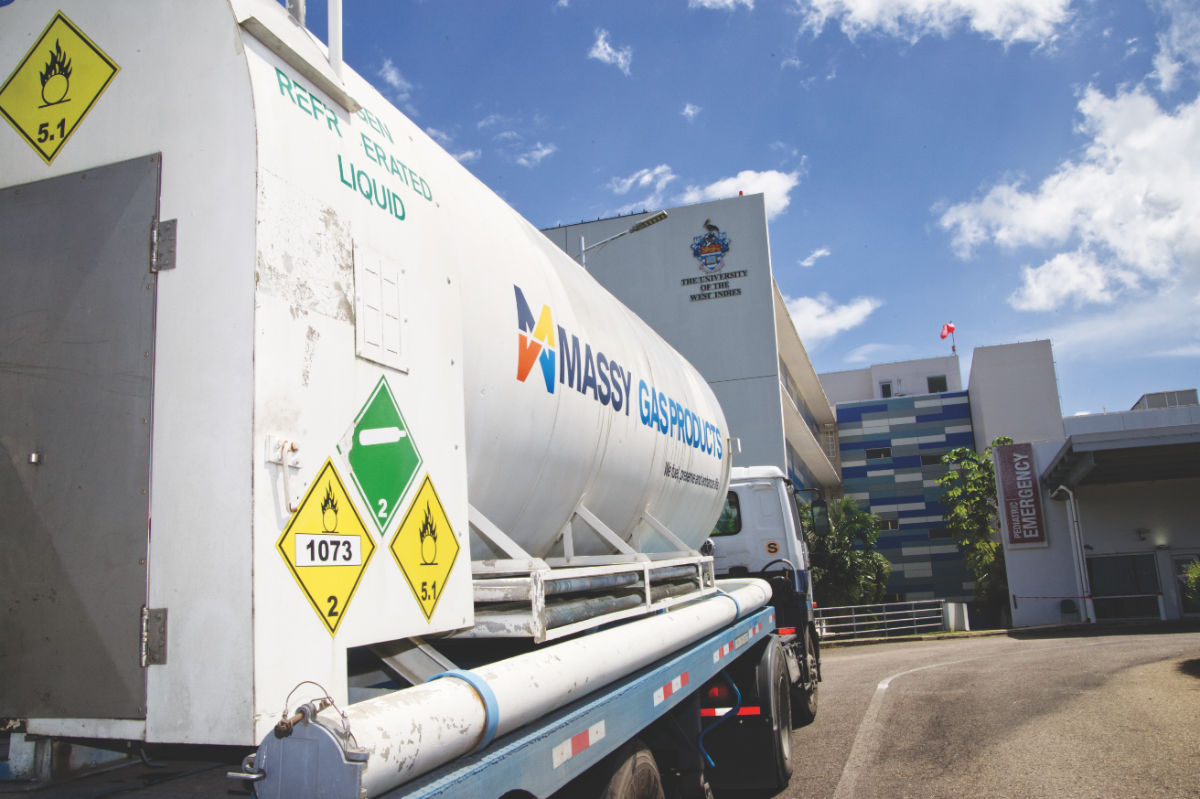
The company has also invested in additional trucks, buildings and other infrastructure to strengthen its storage, filling and distribution operations.
These investments, Harris explained, have been necessary to support a business that is now handling more than twice the volume of LPG it sold just over a decade ago.
But while Massy has been expanding to meet growing demand, an even bigger change could be coming for the local cooking gas market.
Guyana currently depends on imported LPG, meaning the cost of getting the product into the country is influenced by international prices, shipping and other expenses associated with bringing in the fuel.
That could begin to change in 2027, when the country is expected to start producing LPG locally through the Natural Gas Liquids (NGL) facility being developed at Wales, West Bank Demerara, as part of the Gas-to-Energy Project.
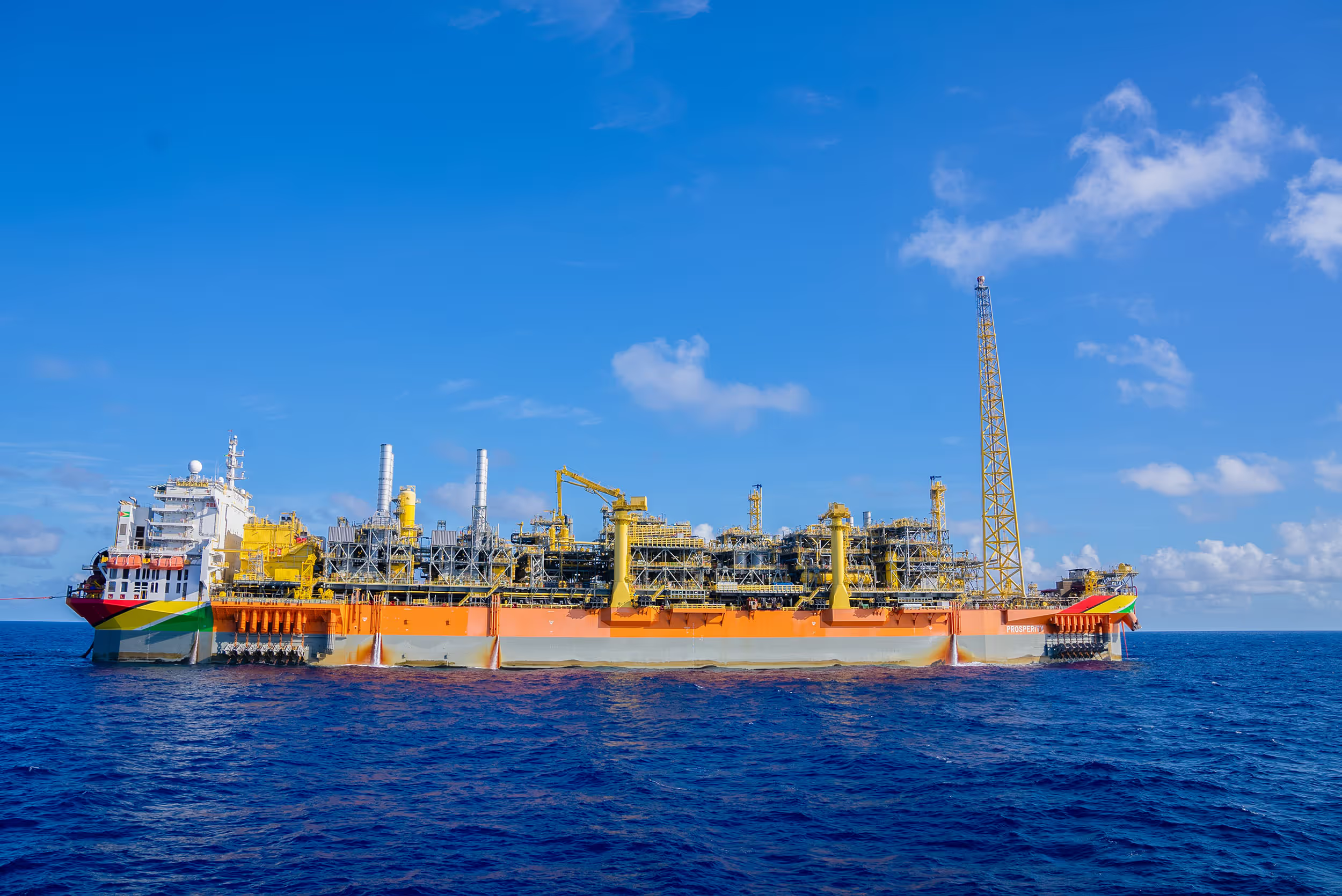
The facility will process natural gas transported from offshore oil production operations and separate products such as propane and butane, which are used to produce cooking gas.
Harris believes this could make LPG cheaper and encourage even greater consumption.
He told journalists that Massy anticipates local production will significantly reduce the cost of obtaining the product, with those savings expected to be passed on to consumers.