

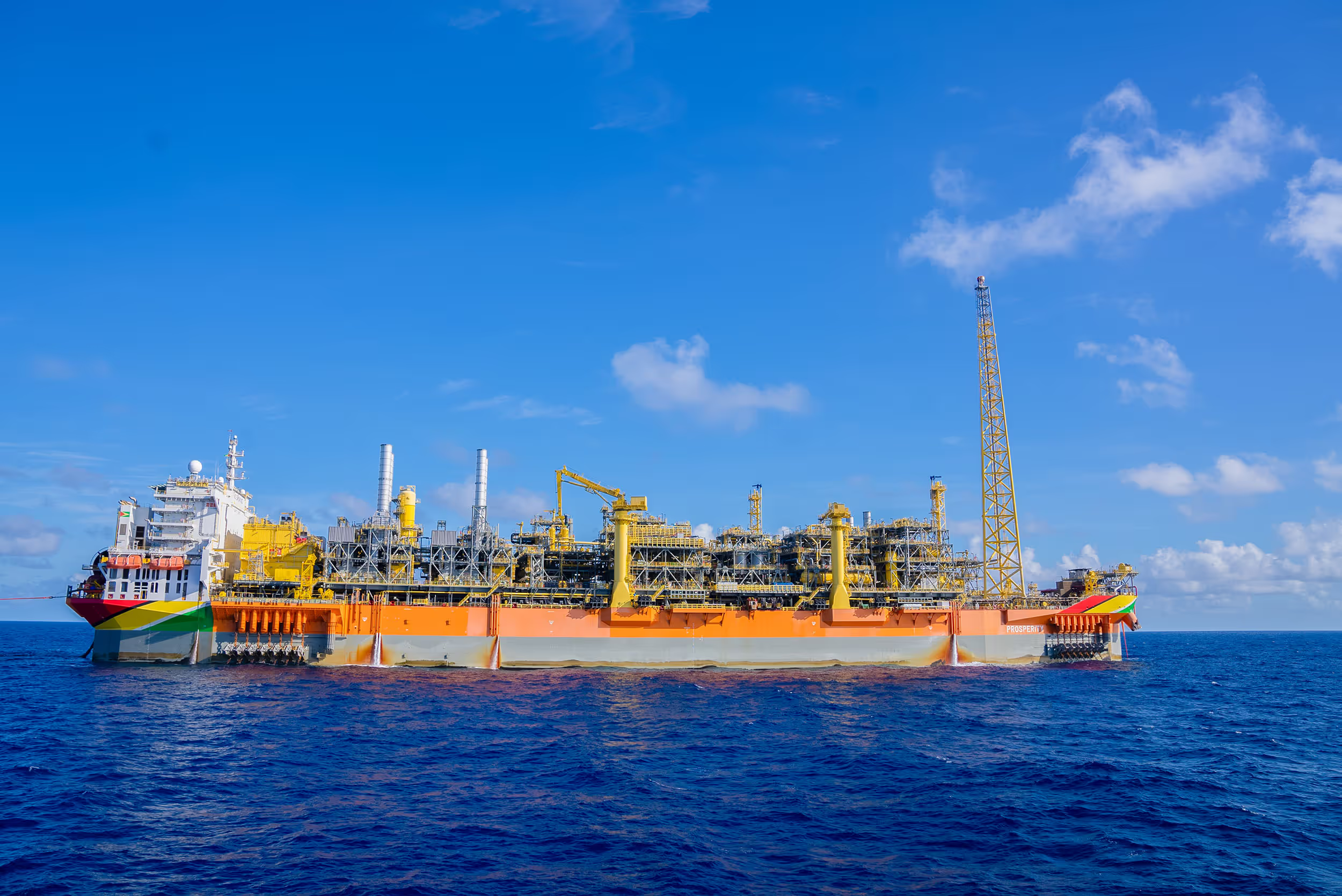














Guyana's oil boom may soon be driven as much by algorithms as drilling rigs.
While attention has remained fixed on floating production vessels and recordcrude output, ExxonMobil has revealed that artificial intelligence is now playing a growing role in how it explores and develops the Stabroek Block.
In its second-quarter earnings presentation released Friday, the company disclosed that AI-powered exploration has already identified four additional offshore opportunities, while advanced subsurface technologies have generated more than US$2 billion in additional project value by improving reservoir management and recovery.
The disclosure provides one of the clearest indications yet that Guyana has become a testing ground not only for rapid offshore development but also for digital technologies that could influence future petroleum operations worldwide.
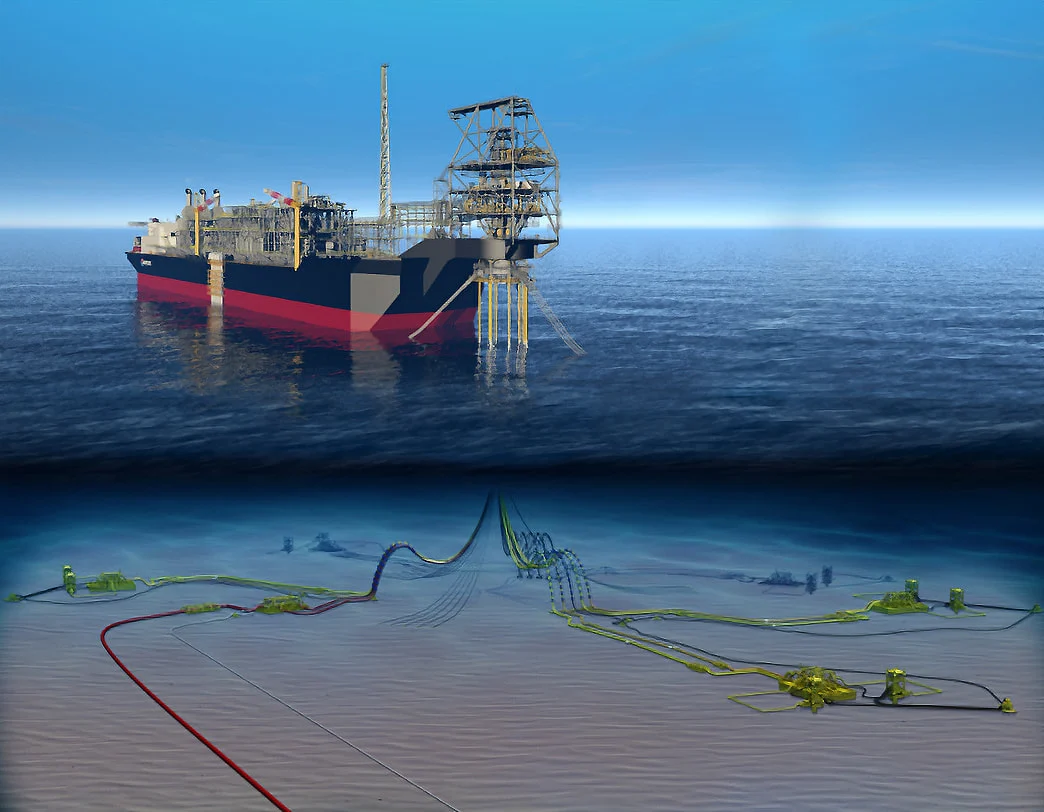
Exxon says the technology combines artificial intelligence, high-performance computing and four-dimensional seismic imaging to better understand how oil moves through reservoirs after production begins.
Rather than relying solely on traditional geological interpretation, engineers can continuously monitor reservoir behaviour, adjust production strategies and identify areas that may previously have been overlooked.
Internal notes included in the presentation reveal that the company's board had previously been told AI identified eight geological anomalies for further evaluation, including four that had not been recognized by geoscientists during earlier analysis. Although those notes are not part of the formal presentation, Exxon ultimately confirmed publicly that AI-powered exploration has identified four additional opportunities in Guyana.
The technology complements what Exxon describes as its "design one, build many" development model, allowing successive offshore projects to be delivered faster and at lower cost than many competing developments around the world.
The company says Guyana continues to represent one of the fastest offshore developments in modern petroleum history, with the first four floating production vessels performing above their original investment expectations and achieving 98 per cent year-to-date reliability. A fifth production vessel is scheduled to begin operations later this year, while development planning is already advancing toward a ninth FPSO expected around 2031.



.png)