

















Chinese electric vehicles are increasingly visible on Guyana's roads, but Chinese Ambassador Yang Yang says Beijing's growing technological reach should not be viewed as a push for technological dominance.
Addressing a reception in Georgetown to mark the 77th anniversary of the founding of the People's Republic of China on Thursday, Yang pointed specifically to the growing presence of BYD and XPENG vehicles in Guyana as examples of how Chinese innovation is reaching the local market.
“China never seeks technological hegemony, nor do we believe in a winner-takes-all approach,” Yang said.
She argued instead that China's technological development was intended to create opportunities for cooperation, saying, “To partner with China is to partner with opportunity.”
The comments come as Chinese electric vehicle manufacturers rapidly expand their international presence.
China exported about 2.62 million new energy vehicles in 2025, more than double the previous year's figure, according to data from the China Association of Automobile Manufacturers.
That expansion is beginning to show up in Guyana's own automotive market.
BYD entered Guyana commercially in 2025 through GT Automotive, with models including the fully electric Dolphin, Yuan Plus, Seal and Sealion, alongside the plug-in hybrid Song Plus DM-i. A new BYD showroom was subsequently opened on Camp Street in Georgetown in 2026, expanding the company's local footprint.

Guyana's policy environment is also making electric vehicles relatively attractive. The Guyana Revenue Authority currently lists electric cars as attracting zero customs duty, zero excise tax and zero VAT under the applicable rates, although importers remain subject to the requirements of the law and the GRA's classification rules.
For Guyanese consumers, however, the significance of the Chinese EV push goes beyond the appearance of new car brands.
China's advantage in electric mobility rests across a wider industrial chain involving batteries, software, electronics and vehicle manufacturing. The Chinese government says its next phase of international expansion is moving beyond simply exporting vehicles towards what it describes as more locally integrated development.
Prime Minister Mark Phillips, in remarks at the same reception, pointed to China's experience in renewable energy, smart infrastructure, modern transportation and urban planning as areas that could complement Guyana's own development ambitions.
Guyana's transition to electric transportation, however, will also depend on the country's ability to supply reliable and affordable electricity.
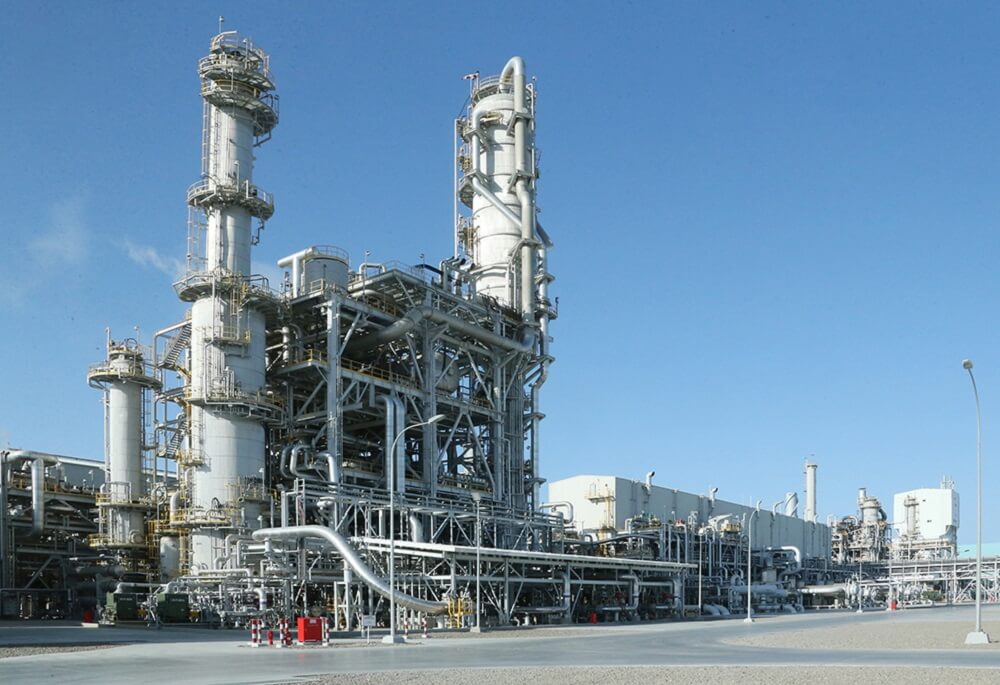
The government's wider energy plans include a major expansion of generation capacity, while the proposed Gas-to-Energy project is expected to substantially increase available power once fully operational.



.png)
.jpg)

.png)