















There is something worth paying attention to in the way Guyana is approaching development
right now. We are a country with a growing oil and gas industry, but we are also a country with
an extraordinary natural environment that we have every reason to value, protect and find new
ways to benefit from. Too often, conversations about development make it seem as though these
things must exist on opposite sides, as though supporting economic growth means turning our
backs on the environment. Looking at what is actually happening in Guyana, that does not have
to be the case, we can tek care ah both.
The recent launch of the Financing for Forests programme by The Ministry of Natural
Resources, the European Union and the Global Green Growth Institute is a five-year programme,
supported by €10 million in EU financing, intended to attract new investment into Guyana’s
forest sector and explore ways of creating economic opportunities around sustainable forest
management and biodiversity. What is interesting is how the conversation around our forests is
becoming economic. We are asking how forests can create value, support businesses and
communities, and attract investment without requiring us to cut them down and move on.
That is an important conversation because natural resources have always been part of Guyana’s
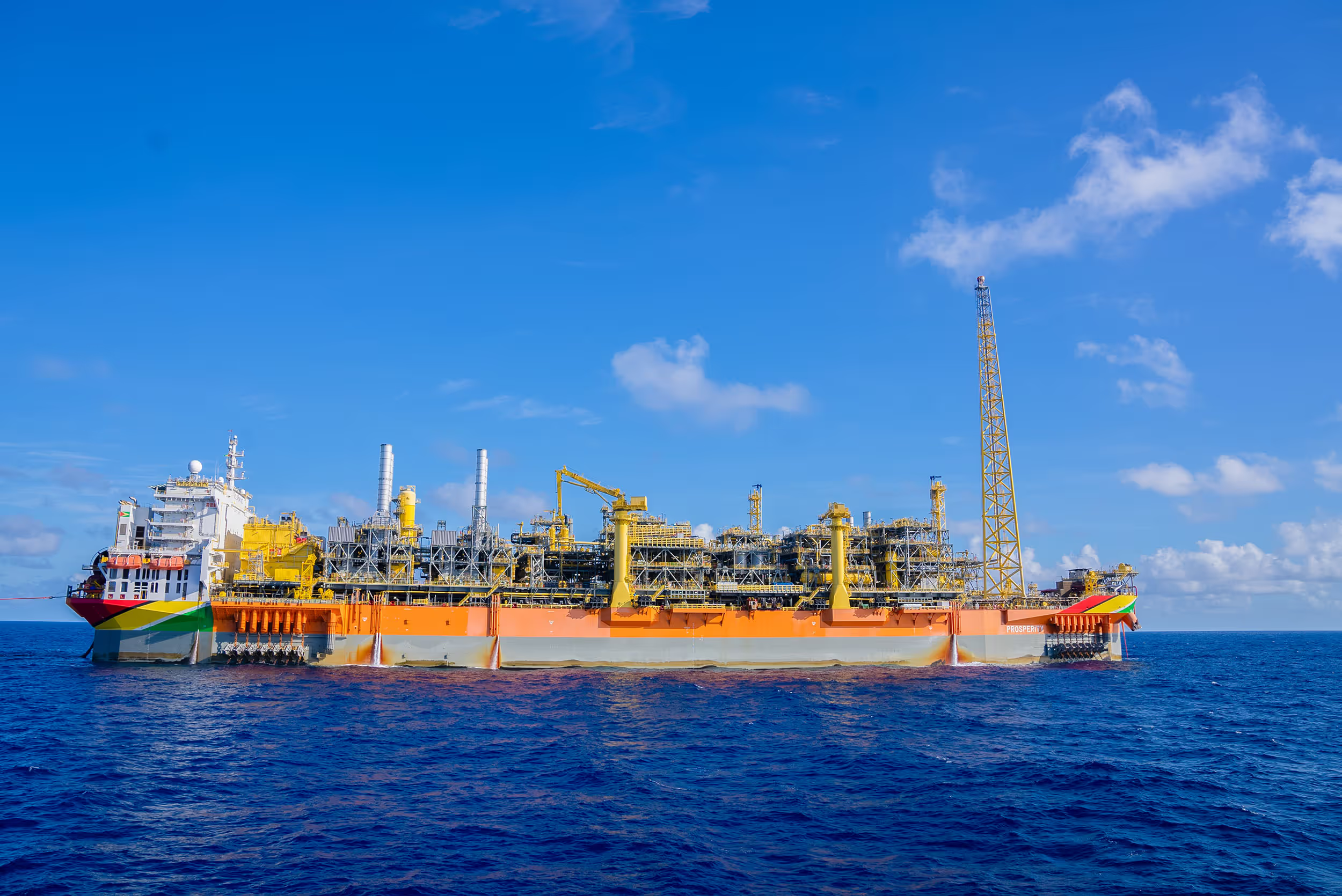
economic story. We have gold, timber, agricultural land, fisheries, rivers and now a major
offshore oil and gas industry. For a long time, however, our ability to develop these resources
was constrained because of limited capital. Oil and gas changed that equation. Petroleum
revenues give Guyana greater capacity to invest in infrastructure, education, institutions,
communities and new areas of economic activity. That creates an opportunity to think beyond
what we can extract and towards the much bigger question of what kind of country we can build
with the resources we have.
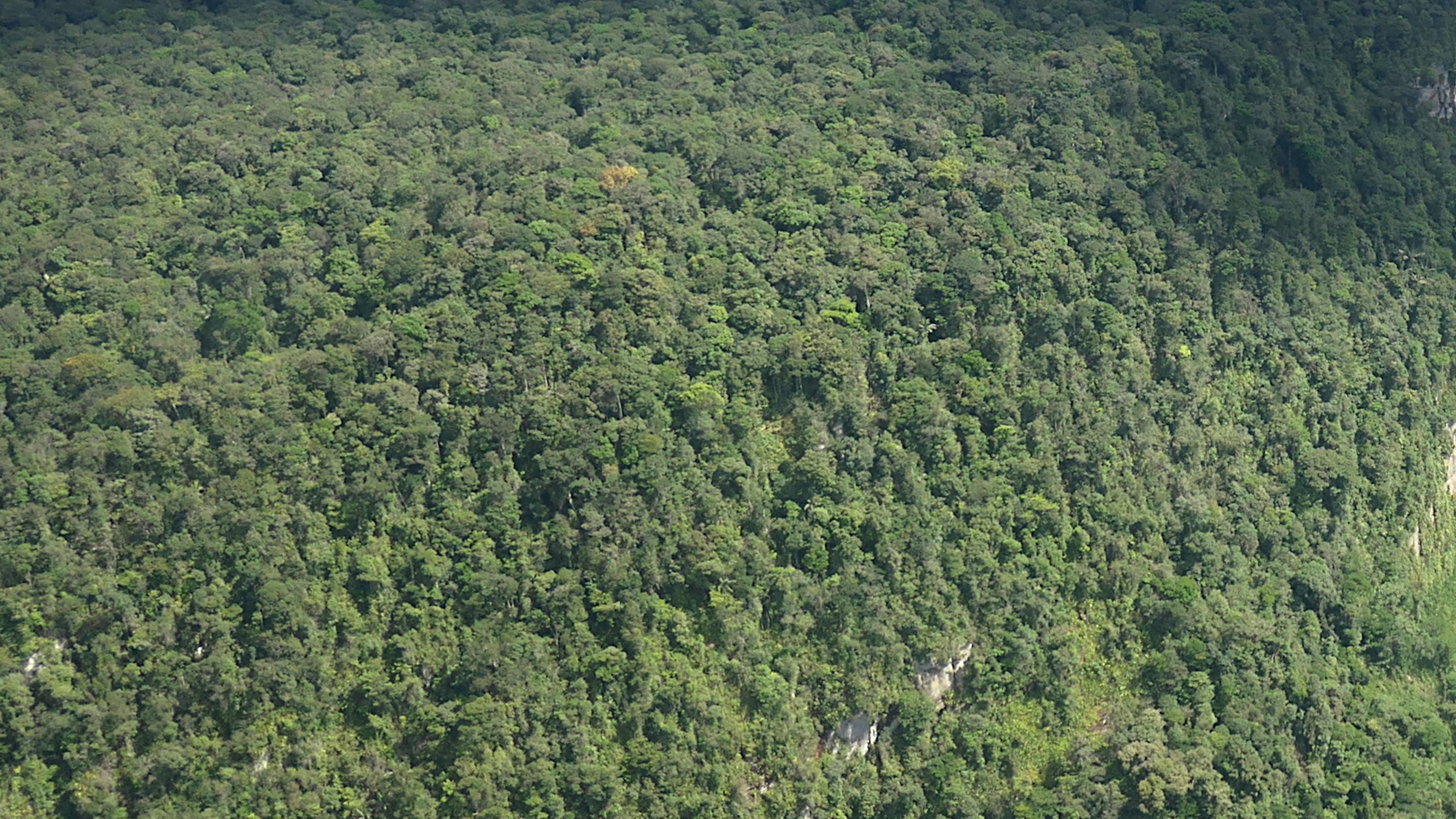
The Financing for Forests programme launched in Guyana this week fits into that bigger picture
because it is about finding new ways to make the forest economically meaningful while keeping
it standing. That could mean opportunities for forest enterprises, communities and investors, as
well as newer financial approaches such as biodiversity credits. This is worth considering
because conservation does not have to mean putting the forest away somewhere and saying
nobody can touch it. A standing forest can be an economic asset, and Guyana is in an unusually
strong position to explore what that could mean.
This is where the relationship between oil and the environment becomes much more interesting
than the usual argument suggests. The existence of an oil and gas industry does not mean Guyana
has to abandon its forests, and protecting our forests does not require us to abandon the
opportunity that petroleum development presents. A country with greater financial resources has
more room to invest in the systems, expertise and businesses needed to manage its natural
environment properly. We can develop offshore resources while creating stronger forest
industries. We can generate revenue today while investing in economic opportunities that will
continue to benefit Guyanese long into the future.
The question, then, should not be whether Guyana is an oil country or a green country. We are
already both. The more useful question is how can we continue the good management of the
resources we have, so that development continues.
That is the balancing act. And there is something encouraging about seeing Guyana pursue
investment in its forests at the same time that it is developing its petroleum resources. We do not
have to choose one natural asset over another. We can develop oil and gas, attract investment into
our forests, support communities, grow businesses and continue building an economy that gives
Guyanese more opportunities than previous generations had.



.png)



.png)