
















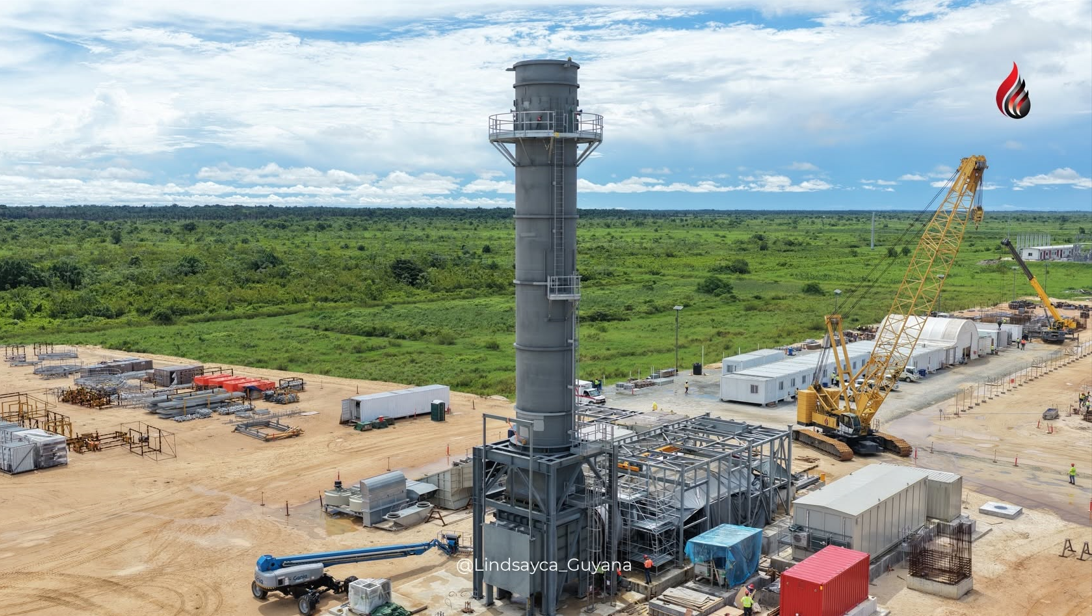
Guyana’s Gas-to-Energy ambitions are beginning to look much bigger than the flagship project at Wales, with plans emerging for a 300-megawatt gas-fired power plant in Berbice and a separate 40-megawatt facility on the Essequibo Coast.
The projects, outlined by Guyana Power and Light (GPL) during the CARILEC Engineering and Procurement Conference, offer a clearer picture of how natural gas could become a major pillar of Guyana’s electricity system, not just for the Demerara region, but across the country.
The proposed 300 MW Berbice Combined Cycle Gas Turbine plant is being described by GPL as Phase Three of the Gas-to-Energy programme. The facility would add a substantial new block of generating capacity while helping the utility reduce its reliance on heavy fuel oil, which has historically been an important but costly source of electricity generation.
The plant is also expected to include a Battery Energy Storage System, giving the facility another tool to help balance the grid and respond to changes in electricity demand.
The significance of the Berbice project is therefore not simply the addition of another power plant.
At 300 MW, it would establish another major generation centre outside the Demerara corridor at a time when Guyana’s electricity demand is rising alongside population growth, construction, new businesses and expanding industrial activity.
That could eventually mean electricity is being generated closer to where some of the country’s growing demand is located, reducing the pressure on a system that has traditionally been heavily concentrated around Georgetown and the Demerara region.
The 40 MW Essequibo Coast plant, meanwhile, is designed around a different need — regional reliability.
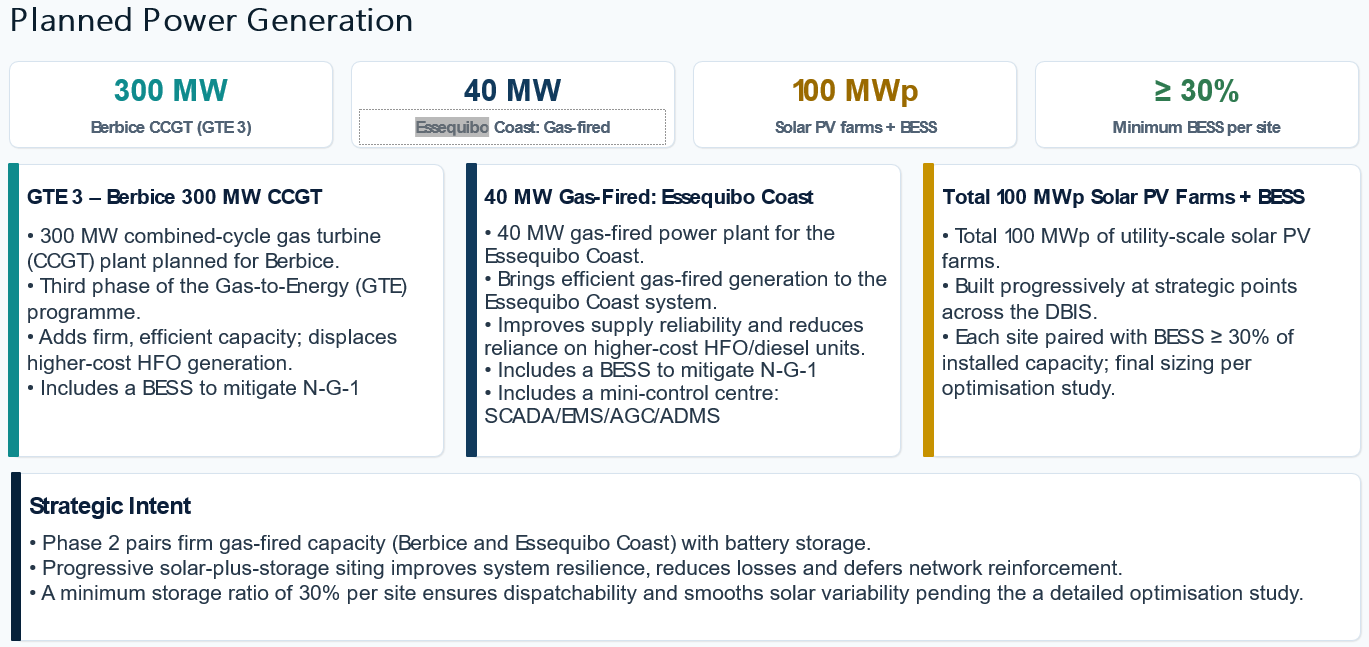
GPL plans to combine the gas-fired facility with battery storage and a modern mini control centre equipped with SCADA, Energy Management Systems, Automatic Generation Control and Advanced Distribution Management Systems.
Put simply, the Essequibo project is not just about producing more electricity. It is also about giving the region a more sophisticated system for monitoring, controlling and balancing its power supply.
That could become increasingly important as Guyana adds more renewable energy to its electricity mix.
Batteries can help manage short-term fluctuations, support grid stability and provide flexibility when demand changes. That creates the possibility of a future system in which natural gas provides dependable generation, renewable energy supplies additional power and battery storage helps keep the grid stable.
The plans also mark an important evolution from the original Gas-to-Energy concept at Wales.
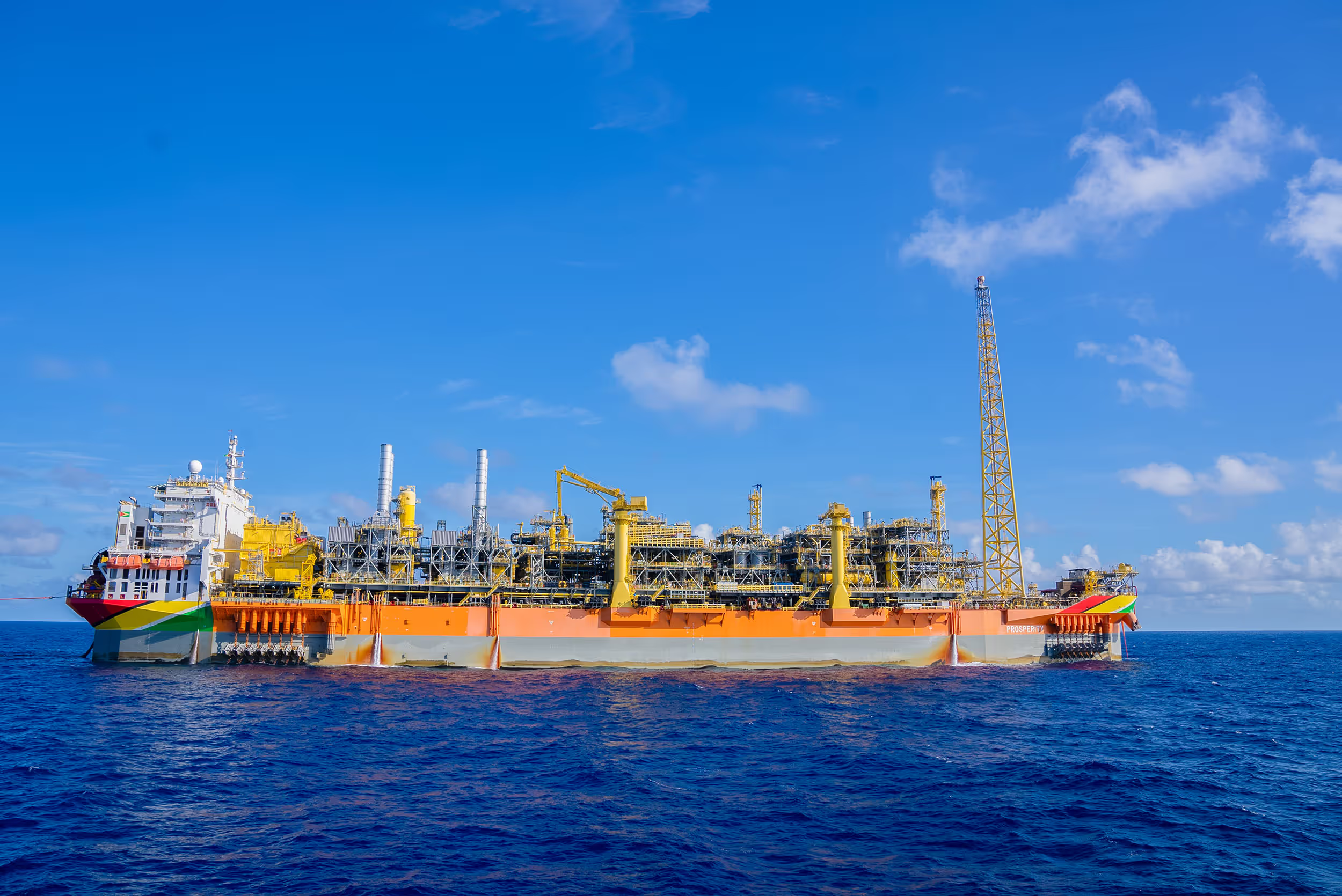
The Wales project is centred on bringing offshore natural gas to shore, processing it and using it to generate electricity while also producing natural gas liquids. It represents Guyana’s first major step toward using its offshore gas resources to transform the domestic power sector.
The Berbice and Essequibo plans suggest that the ambition may now be broader.
Rather than having Gas-to-Energy remain a single major generation project at Wales, Guyana appears to be considering how gas-fired generation can eventually be extended to other parts of the country.
That, however, raises an important question: where will the gas for these additional plants come from, and how will it get there?
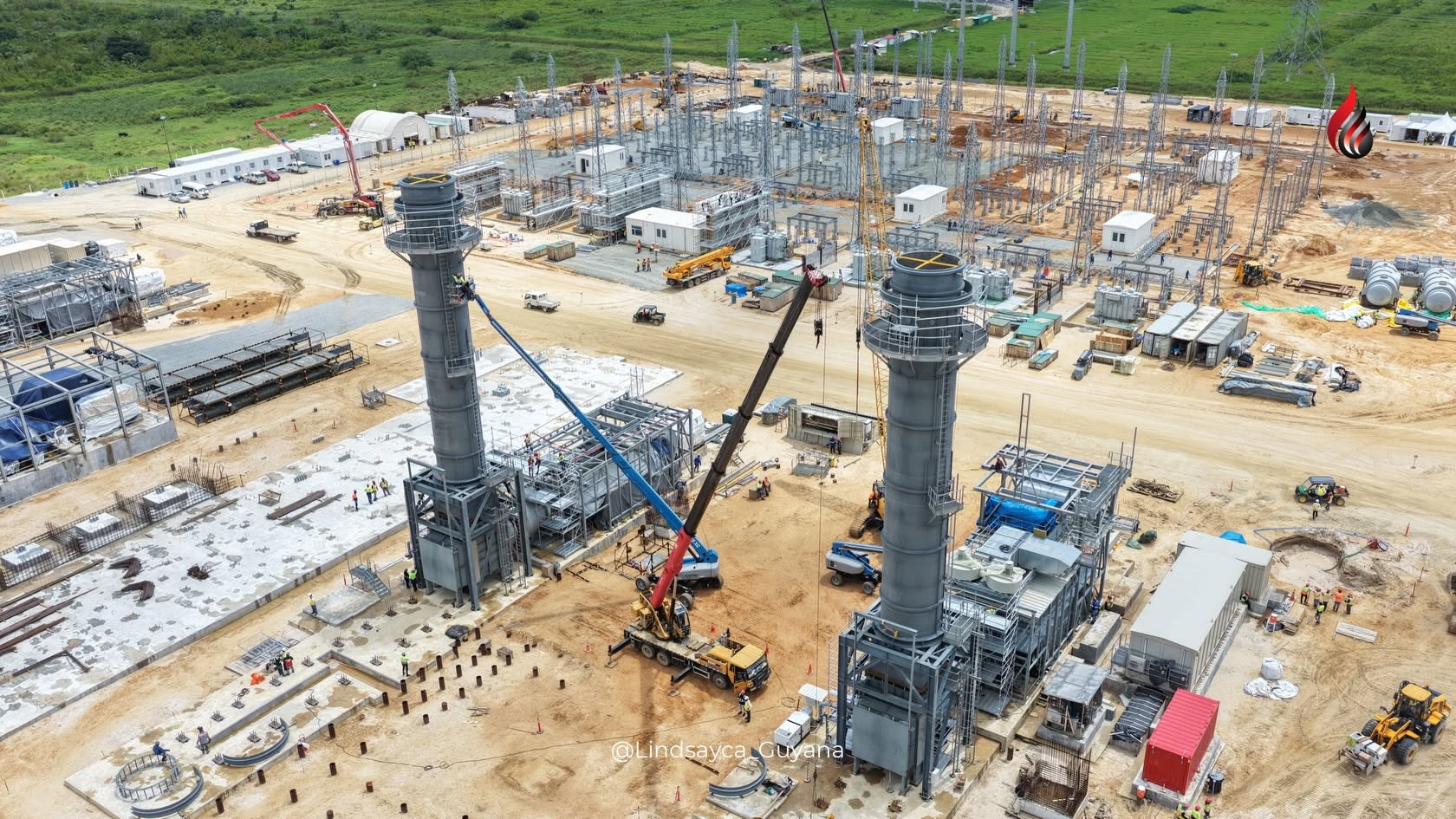
Building a 300 MW gas plant in Berbice and a 40 MW plant in Essequibo is only one part of the equation. Guyana would also need the infrastructure and supply arrangements necessary to deliver gas reliably to those facilities.
That could mean additional investment in gas transportation, processing and distribution infrastructure as the country moves beyond the initial Wales development.
It also means Guyana’s energy transformation is becoming increasingly interconnected.
The country is not simply building more generating capacity. It is simultaneously developing new gas infrastructure, transmission networks, battery storage, renewable generation and increasingly sophisticated grid-management systems.
And there is a major economic reason for that shift.
Greater use of natural gas could reduce GPL’s exposure to the cost and volatility of heavy fuel oil and diesel, potentially lowering the cost of electricity generation while providing a more dependable supply to meet rising demand.
For Guyana, the long-term significance could therefore extend well beyond the first megawatts generated at Wales.
The country may be moving toward an electricity system in which natural gas is no longer a single-project solution, but a central part of a nationwide energy strategy.
The real challenge now will be connecting those ambitions, ensuring Guyana has enough gas, the infrastructure to move it, the transmission capacity to distribute the resulting electricity and the grid technology needed to manage a much larger and more complex power system.



.png)
.jpg.jpeg)