















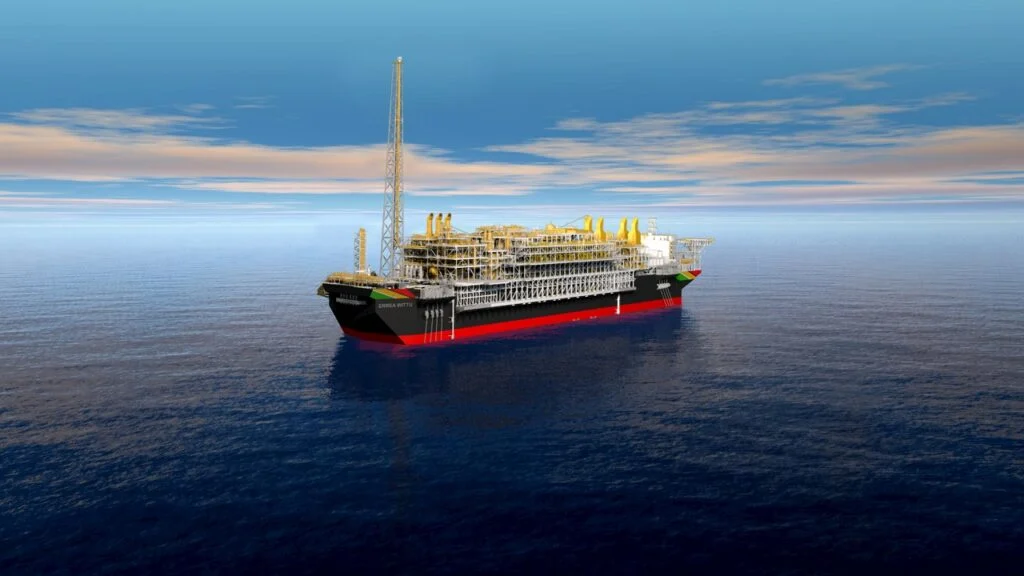
Guyana is on the cusp of another major leap in oil production, with ExxonMobil confirming that the country's fifth floating production vessel remains on schedule to begin operations before the end of the year.
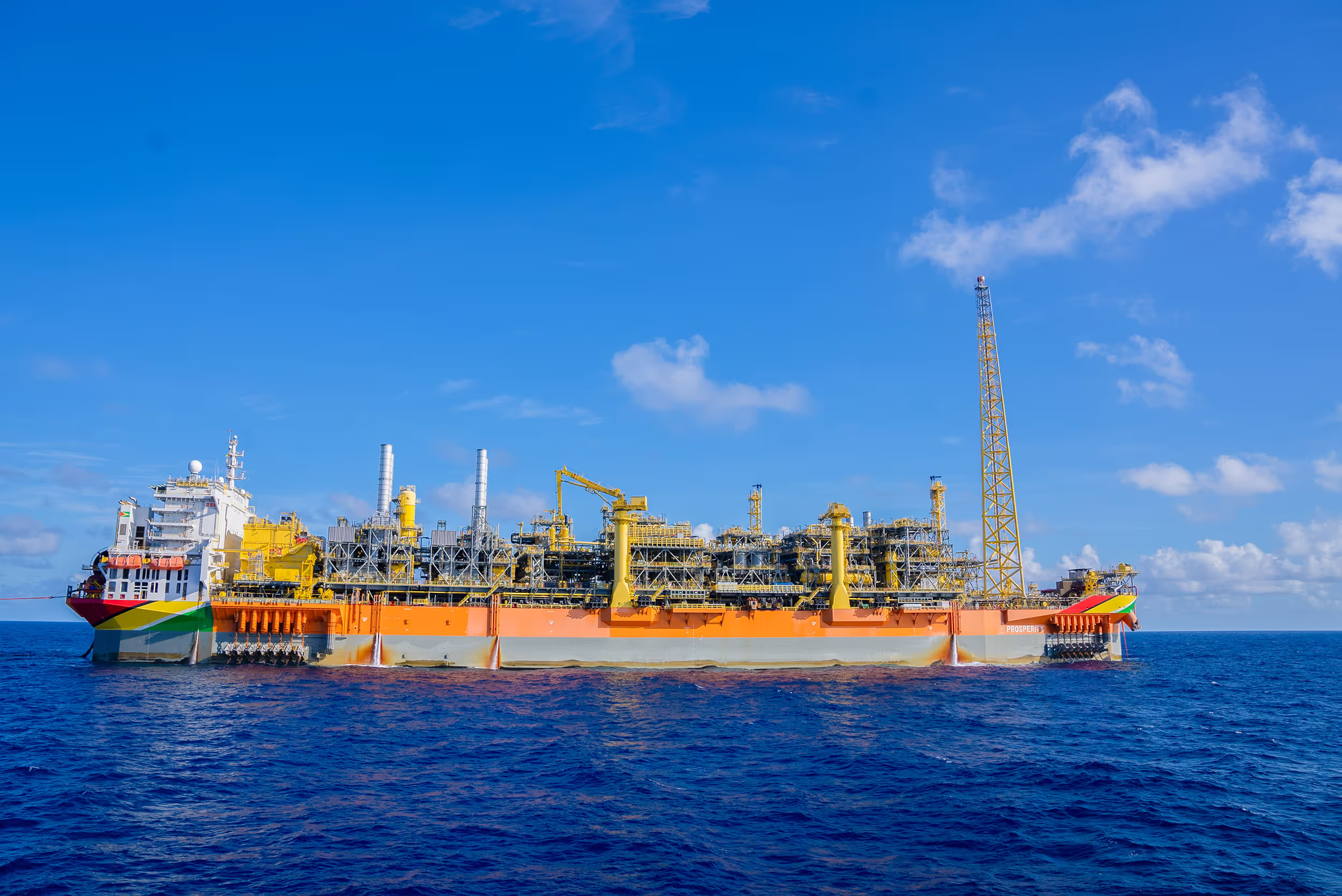
The company announced on Friday that the fifth FPSO has departed for Guyana and is expected to commence production during the fourth quarter of 2026, adding another 250,000 barrels of oil per day to the country's installed production capacity.
Once operational, the vessel will further expand output from the Stabroek Block, reinforcing Guyana's position as one ofthe world's fastest-growing oil producers.
The fifth FPSO represents another milestone in an offshore development programme that has transformed Guyana from a frontier exploration basin into one of the most significant new oil provinces globally in less than a decade.
The fifth floating production, storage, andoffloading (FPSO) vessel for Guyana's Stabroek block is named Errea Wittu and was built by the Japanese shipbuilder MODEC.
Exxon said the first four FPSOs continue to outperform expectations, operating with 98 per cent reliability this year while generating production levels that have exceeded the company's original investment assumptions.
Beyond the upcoming start-up, the company signalled that Guyana's development pipeline remains robust, confirming that planning continues for a ninth FPSO expected to begin production around 2031.
The steady addition of new production vessels reflects ExxonMobil's confidence in the vast petroleum resources discovered in the Stabroek Block since 2015. More than 30 discoveries have been announced to date, supporting multiple sanctioned developments and several moreunder evaluation.
For Guyana, each new FPSO not only increases crude production but also boosts the volume of oil available forprofit sharing under the country's production sharing agreement after allowable costs are recovered.
According to ExxonMobil, more than US$55 billion has already been invested by the Stabroek Block co-venturers in exploration and development since 2014. Under the production sharing agreement, the consortium bears the investment risk, while Guyana receives a two per cent royalty and a 50 per cent share of the remaining profit oil after cost recovery, which is capped at 75 per cent of production.



.png)
.jpg.jpeg)