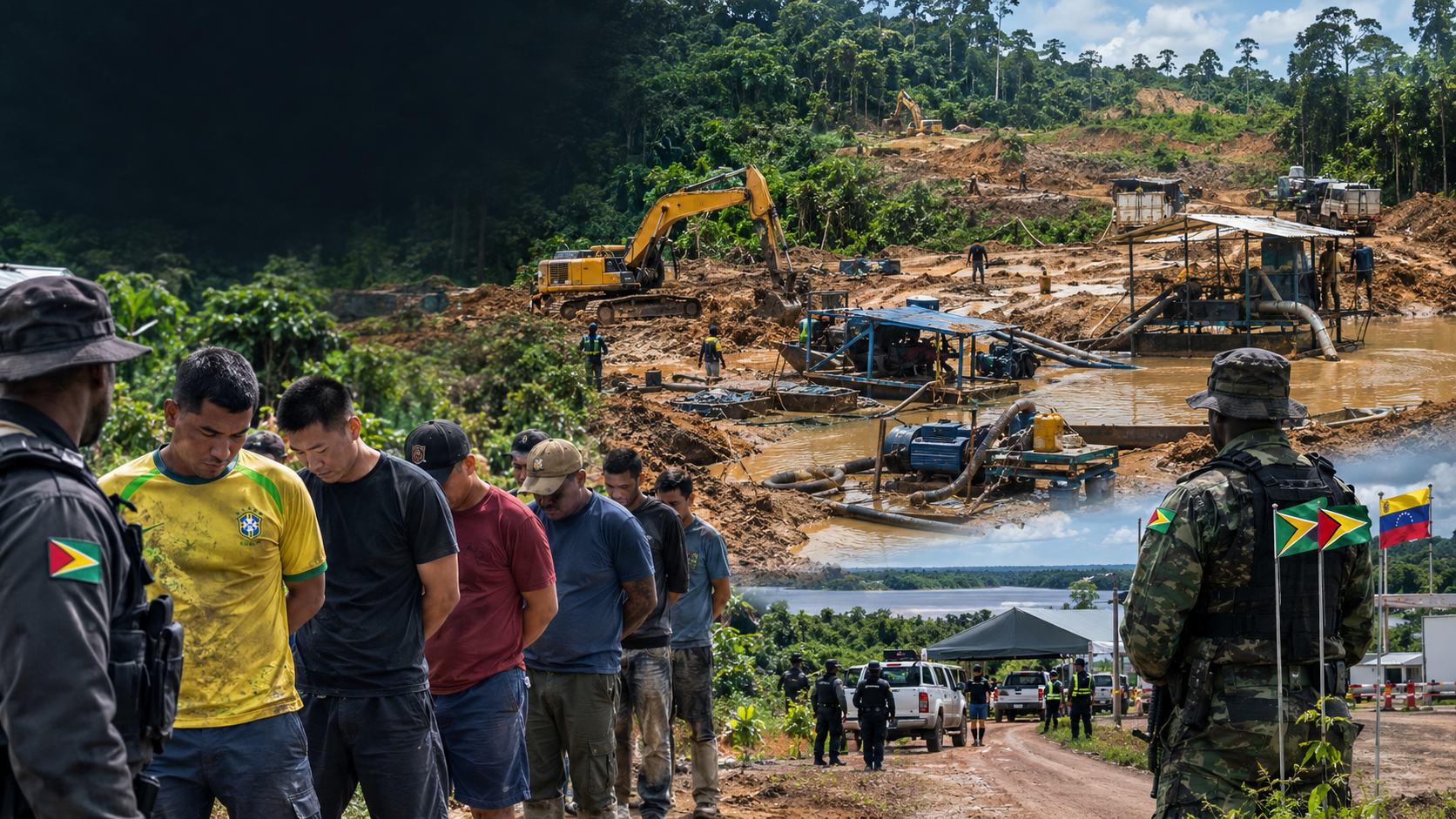
















Guyana is expanding its mining ambitions while the government says future development of the sector must be matched by stronger environmental safeguards, land reclamation and the use of better technology.
The issue takes on added significance as President Irfaan Ali, in his address to the 81st United Nations General Assembly on Thursday, placed sustainable development, biodiversity protection and Guyana’s Low Carbon Development Strategy at the centre of the country’s international development message.
Ali said Guyana continues to advance its strategy of turning forest stewardship and climate action into a model for sustainable development.
At the same time, the country is actively seeking to expand its mineral sector.
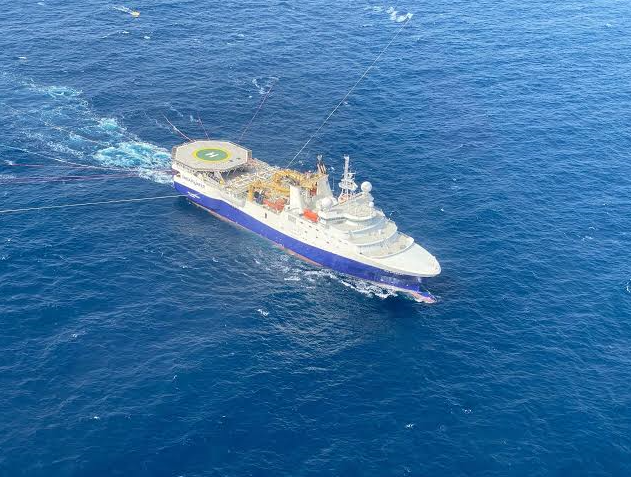
Natural Resources Minister Vickram Bharrat said last week that Guyana is undertaking a major mineral inventory across designated mining districts, using two specialised aircraft to collect geological data that could identify deposits of copper, lithium, rare earth elements and other critical minerals. The resulting information is expected to form part of a national data repository and be made available to Guyanese small and medium-scale miners.
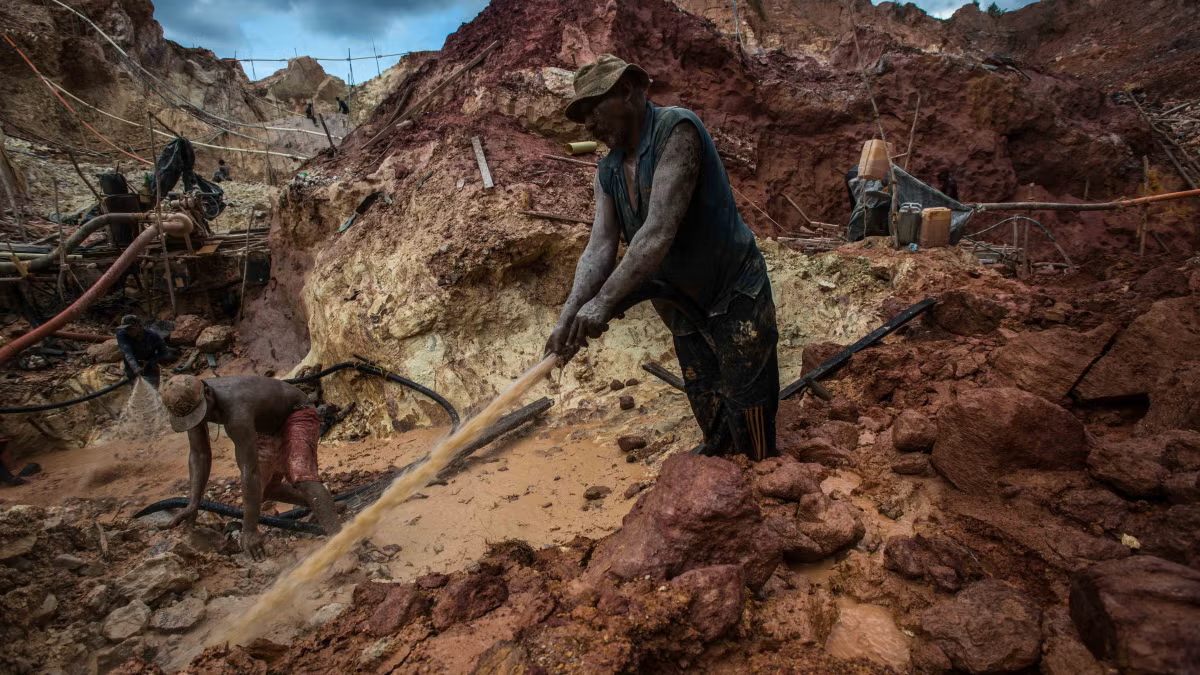
The move comes as the government attempts to modernise an industry still heavily associated with traditional gold mining.
Guyana's Geology and Mines Commission has acknowledged that the sector is becoming increasingly technology-driven, with Commissioner Newell Dennison saying in August that improved methodologies are changing the way mining is conducted.
But expanding mineral production also raises the question of what happens to land and ecosystems after mining ends.
The government allocated G$425 million in the 2026 Budget for reclamation and reforestation of mined-out lands, with projects already undertaken in Regions One, Eight and Ten. The programme targets about 200 acres for maintenance and reclamation during 2026, according to Bharrat.
Some of the work is focused on the former bauxite belt in Region Ten, where the government has been exploring bamboo cultivation as part of efforts to restore degraded land while creating economic opportunities.
Another G$607 million was allocated in the 2026 Budget to expand protected and conservation areas. The government has said it intends to increase the proportion of Guyana's land under protection from about 8.4 per cent to 20 per cent by the end of 2026 and 30 per cent by 2030.
That creates a developing balancing act for the resource-rich country: more minerals, but greater emphasis on what the government describes as responsible resource management.
Ali has also previously announced plans for a national mining consortium intended to give Guyanese miners and citizens greater participation in large-scale mining. The proposed model would combine small, medium and large-scale miners and use modern technology and technical expertise to build a locally owned mining company.



.png)