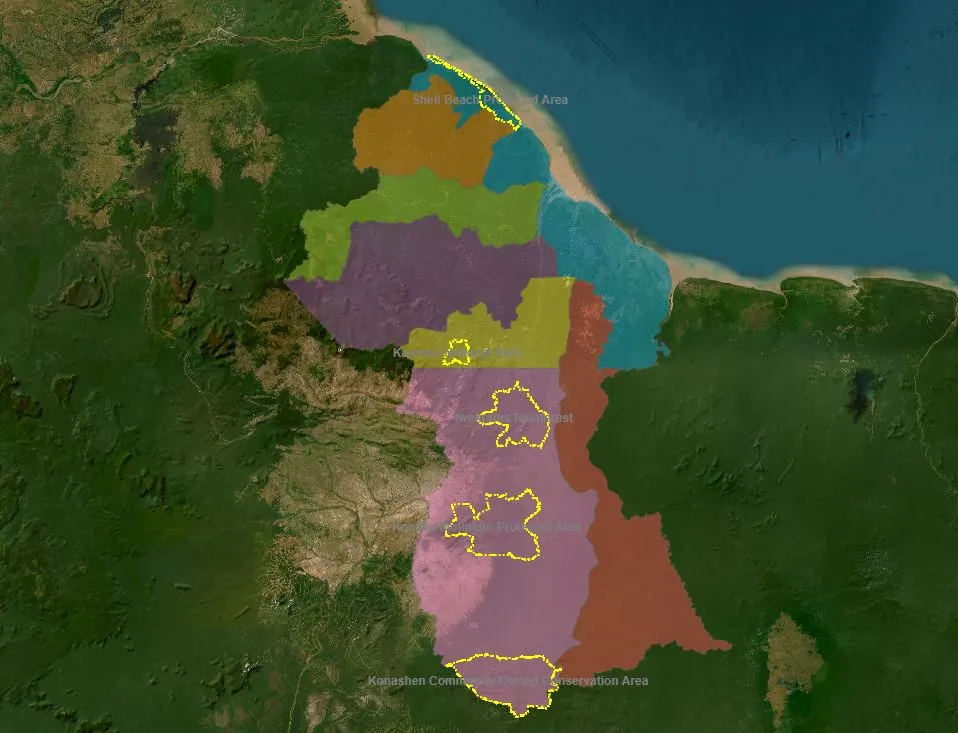















ExxonMobil has expressed confidence that Guyana's land boundary with Venezuela was established by the 1899 Arbitral Award and is already looking towards potentially expanding its offshore exploration activities as early as 2027, should the International Court of Justice (ICJ) affirm the validity of that award.
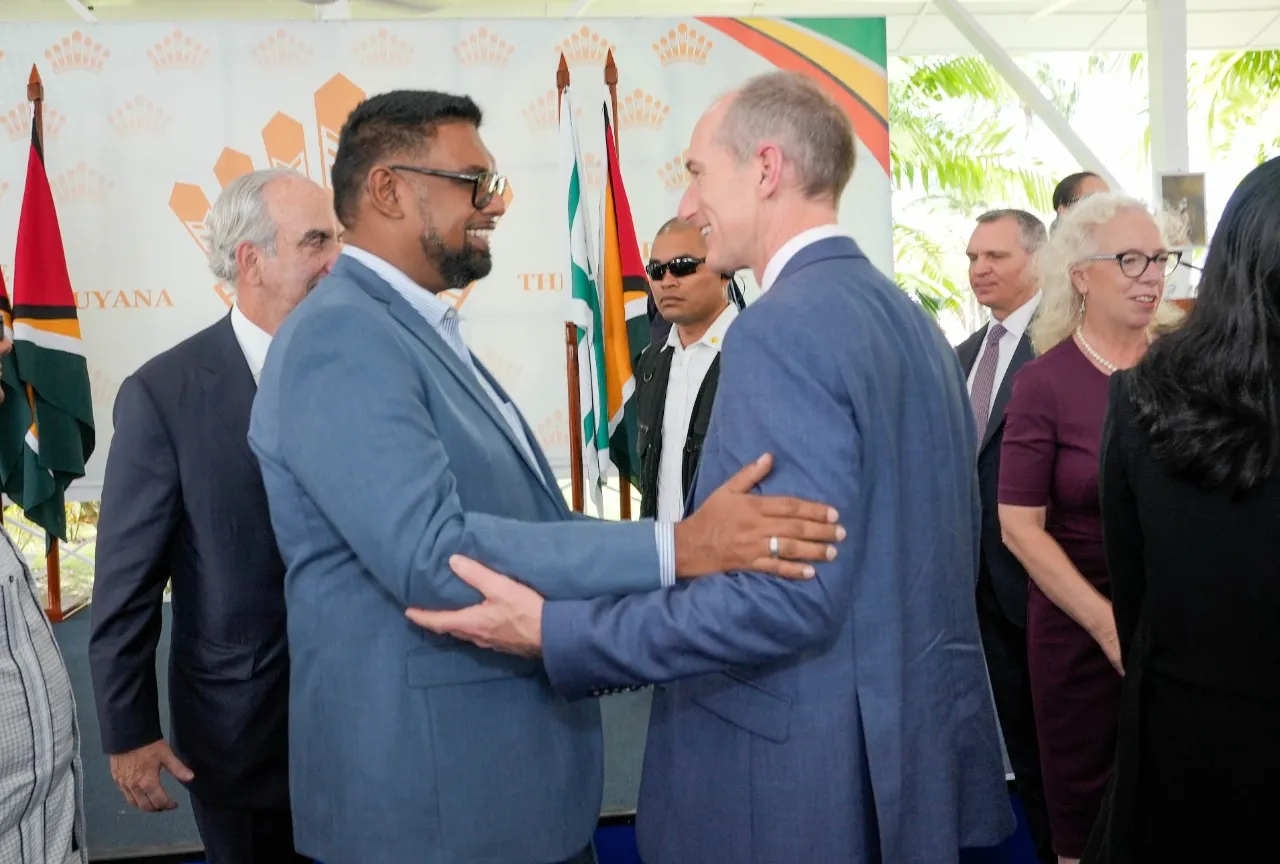
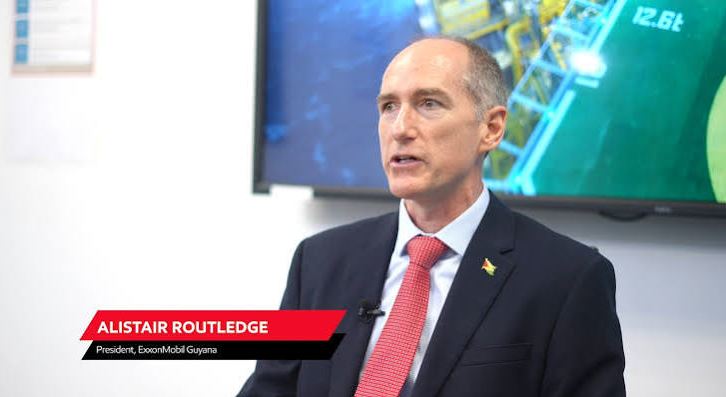
ExxonMobil Guyana President Alistair Routledge outlined the company's position on Tuesday during a press conference at its headquarters at Ogle, amid renewed discussions surrounding the territorial controversy and Guyana's future maritime boundaries.
“We feel very confident ... that the territory, the onshore land border is very clear,” Routledge said.
He recalled the historical involvement of the United States in the arbitration process, noting that Washington had pushed for arbitration in the 1890s and represented Venezuela during those proceedings.
While Exxon maintains that the resolution of international boundaries is a matter for sovereign nations, Routledge said the company shares the position that the land boundary was established by the 1899 Award, pending the ICJ's ruling.
The company also sees the potential for further economic development once the territorial controversy is resolved.
Asked whether Exxon had a timeline for commencing exploration in previously inaccessible areas of the Stabroek Block, Routledge said the company was eager to proceed.
“In a case where it's positive and it again affirms the Arbitral Award of 1899, then our goal would be to commence that exploration activity as early as next year,” he said.
Such activities could open another chapter in Guyana's petroleum development, although Exxon has not disclosed specific drilling targets, investment commitments or estimates of the resources that may exist in those areas.
Interestingly, Routledge indicated that some preliminary exploration activities would not necessarily have to await the final delimitation of maritime boundaries.
He explained that, under his understanding of the United Nations Convention on the Law of the Sea, activities such as seismic data acquisition could potentially proceed without disturbing the seabed while maritime boundary discussions remain ongoing.
Any such work, he stressed, would require the approval of the Government of Guyana and appropriate safety considerations.
Routledge expressed hope that a ruling from the ICJ would allow the relevant countries to move towards discussions on maritime boundaries.
Depending on how far offshore those boundaries extend, he said, such discussions could involve not only Guyana and Venezuela but also Trinidad and Tobago and potentially Barbados.
He argued that greater certainty over maritime boundaries could facilitate economic development across the region.
Asked whether the United States could play a role in facilitating those discussions, Routledge said its involvement could potentially be helpful, but that such decisions rested with the governments concerned.
He also suggested that the international community could play a role in encouraging the parties to move forward following the ICJ's ruling.
Meanwhile, questioned about political tensions and security concerns within Guyana, Routledge maintained that ExxonMobil was satisfied with its ability to operate safely in the country.
He said the company has mechanisms in place to protect its Guyanese and expatriate employees and does not consider Guyana among the more challenging countries in which it operates globally.
“We are here for the long term. We'll work with multiple administrations over many decades,” he said.
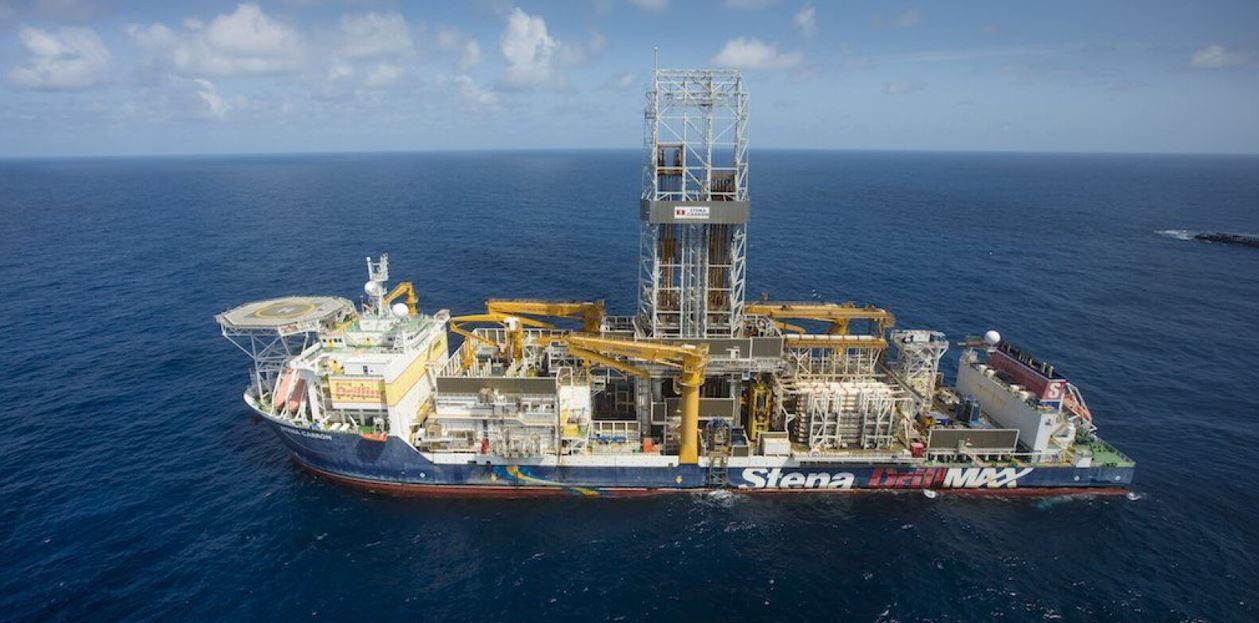
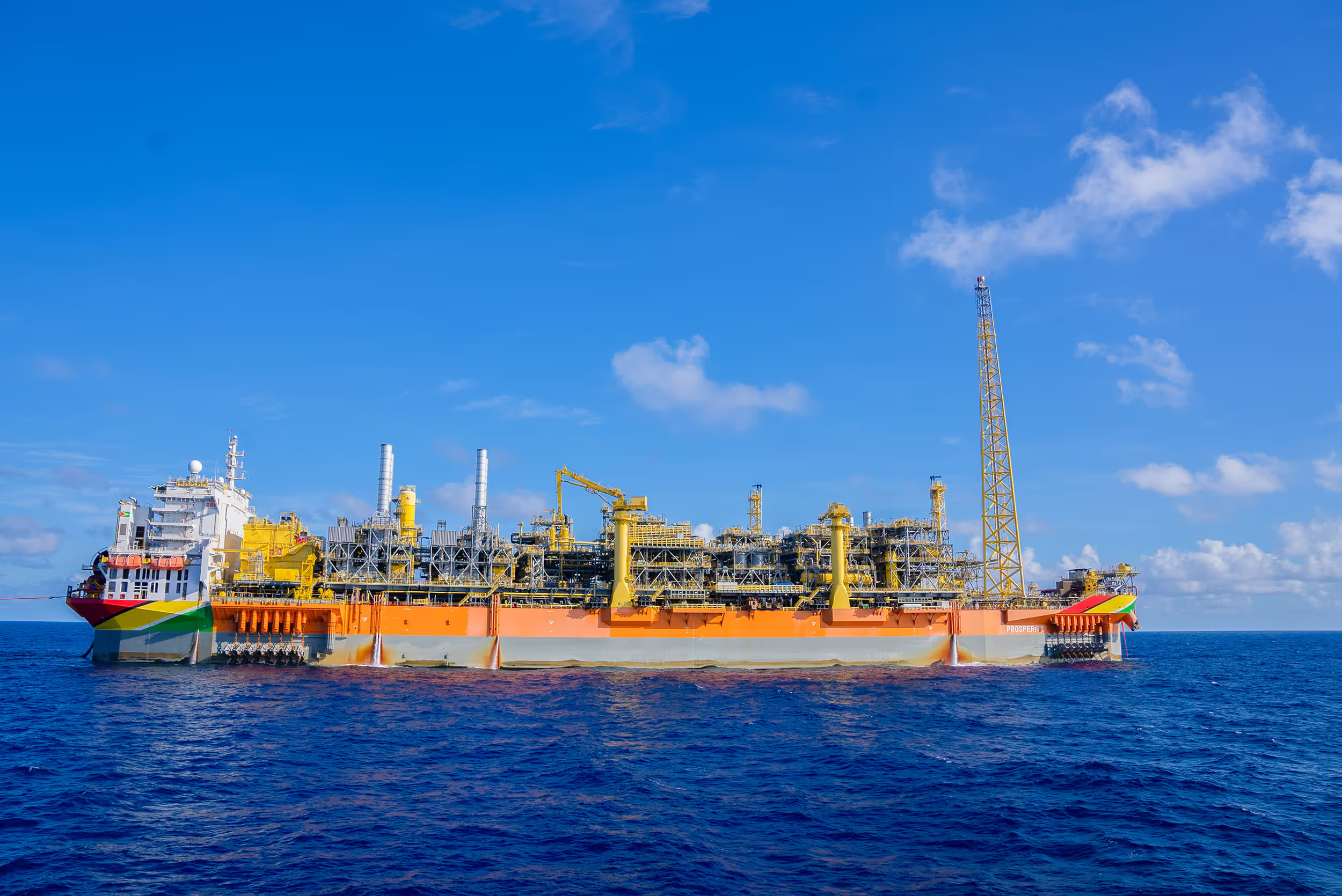
ExxonMobil currently operates five producing offshore developments in the Stabroek Block, with additional multibillion-dollar projects under development.