















This year's global climate talks — the 31st United Nations Conference of the Parties, or COP31 — collapsed on Sunday after countries could not agree on what actions are needed to protect the world from the unfolding climate crisis.
COP31 was hosted in Antalya, Türkiye. These talks usually involve days of negotiations, with a pact emerging at the end, hopefully gaining the support of all stakeholders. This time, the Turkish-Australian presidency put forward the Antalya Pact, but the European Union, the United Kingdom and several climate-vulnerable nations refused to endorse it. It is the first summit since Copenhagen in 2009 to close without a headline deal.
A fossil fuel deadlock and financing shortfalls drove the failure of the final agreement, spotlighting how differently countries view the climate crisis and their role in preventing worsening circumstances.
DISAGREEMENT OVER FOSSIL FUELS
The draft pact acknowledged that global warming is on course to exceed the 1.5 degrees Celsius (2.7 degrees Fahrenheit) threshold that countries had sought to preserve, while calling for faster development of carbon-removal technologies to eventually reverse the overshoot. However, there was no mention of fossil fuels — a main driver of the climate crisis — nor a clear call to transition away from them.
"We will not endorse a cover decision, or an Antalya Pact, that does not even mention fossil fuels, which is the key driver of climate change," Ireland's Climate and Energy Minister Darragh O'Brien, whose country holds the rotating EU presidency, told the closing plenary, which came a record nearly 44 hours after the summit's official end.
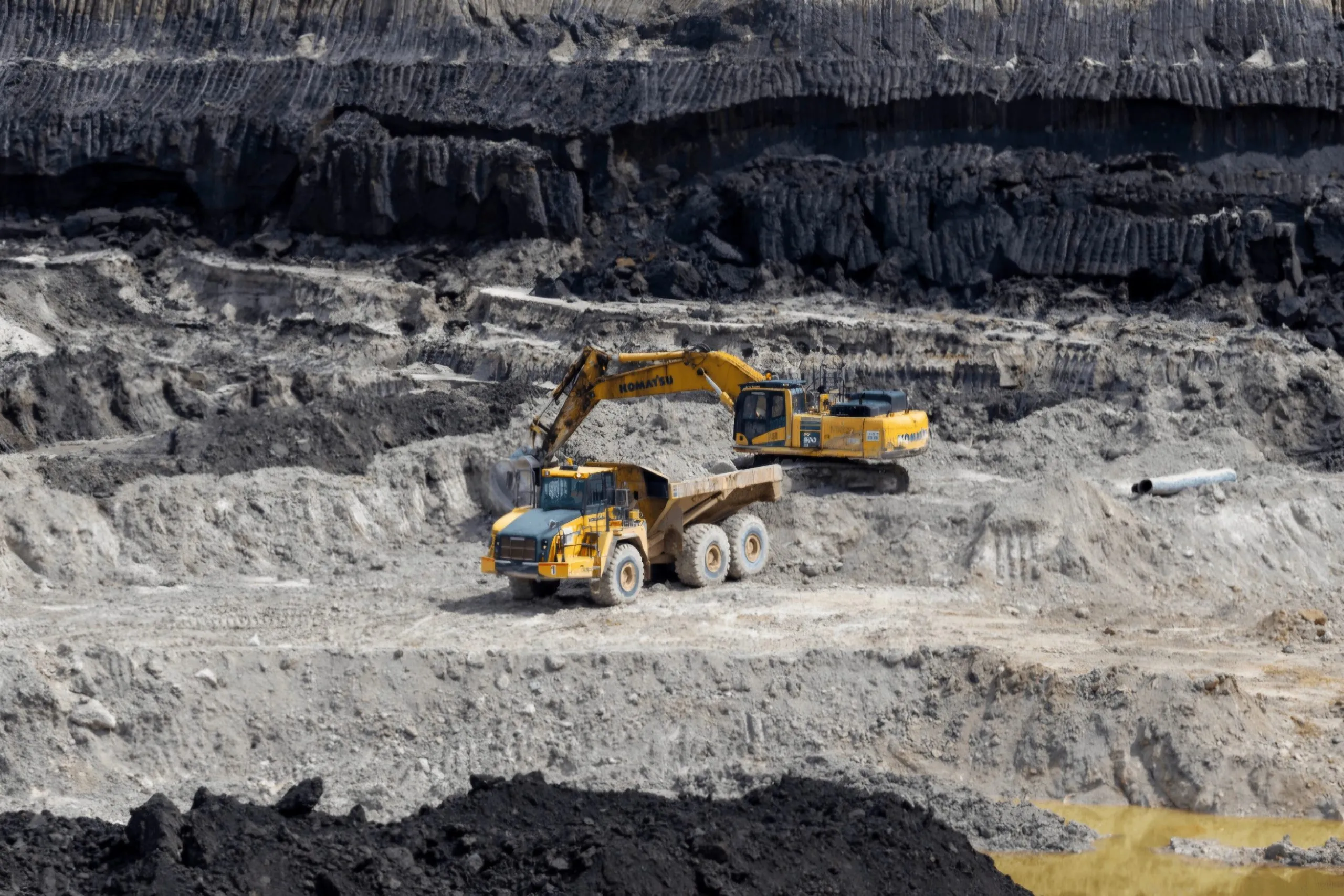
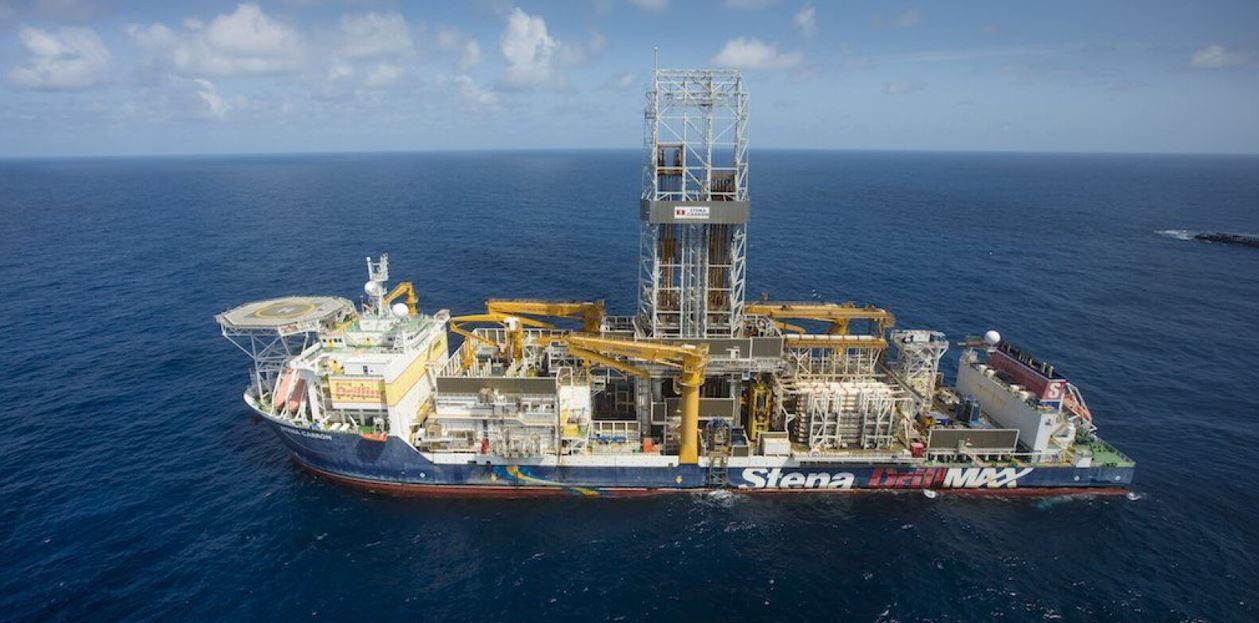
Experts agree that there is an urgent need to slash the use of fossil fuels, which are non-renewable energy sources like coal, oil and gas, because their use contributes to global warming.
But the EU itself has been criticised on two fronts: first, that some EU countries are expanding fossil fuel use and production, and second, that it isn't doing enough to provide climate financing to the countries most affected by the crisis.
FINANCING SHORTCOMINGS
The proposed pact also offered no plan for how developed countries will provide public climate finance. As developing countries grapple with the fallout of harsh climate events, from floods in Nepal to drought across the world, access to finance to help protect against these risks is crucial.
The pact was criticised for leaving vulnerable countries without the predictable, grant-based support they need and are owed, while affected communities would have to wait another year for continued dialogue on a "Just Transition Mechanism" that many had expected to be finalised in Antalya. This mechanism is a UN climate framework designed to support fair, inclusive shifts toward low-carbon economies while protecting workers, communities, and vulnerable groups. However, its full adoption and operational details have been deferred to COP32 in Ethiopia.
The Caribbean Community (CARICOM) was among those expressing "deep disappointment" with the Antalya talks.
"Throughout the negotiations, CARICOM pressed for the cover decision to address the priorities of Small Island Developing States (SIDS). These included a clear plan to deliver on the call to at least triple adaptation finance by 2035, with an agreed baseline and milestones to track delivery. CARICOM also pressed for the best available science, as assessed by the Intergovernmental Panel on Climate Change (IPCC), to guide climate action and inform the second Global Stocktake under the Paris Agreement.
"For the Caribbean, even a temporary overshoot of 1.5°C is a period of real danger. Every fraction of a degree matters, and so does every year spent above that level. The coral reefs that sustain our fisheries and protect our shores will face greater heat stress. Rising seas and repeated coastal flooding will put homes, livelihoods and freshwater supplies at greater risk. Some losses will endure even if global temperatures return to 1.5°C. Limiting how far and how long warming exceeds that level requires deep, rapid and sustained emissions cuts.
"SIDS need more predictable public finance, particularly grants and highly concessional funding they can access without deepening their debt," CARICOM said in a statement.
Other stakeholders expressed similar dissatisfaction.
"While Global North countries rejected the outcome on the basis that there was no language on transitioning away from fossil fuels, these same countries have not themselves presented serious or credible phaseout plans, nor do they intend to support others in their transitions," said Dr Amiera Sawas, head of research and policy at the Fossil Fuel Treaty Initiative.
CARBON CREDITS
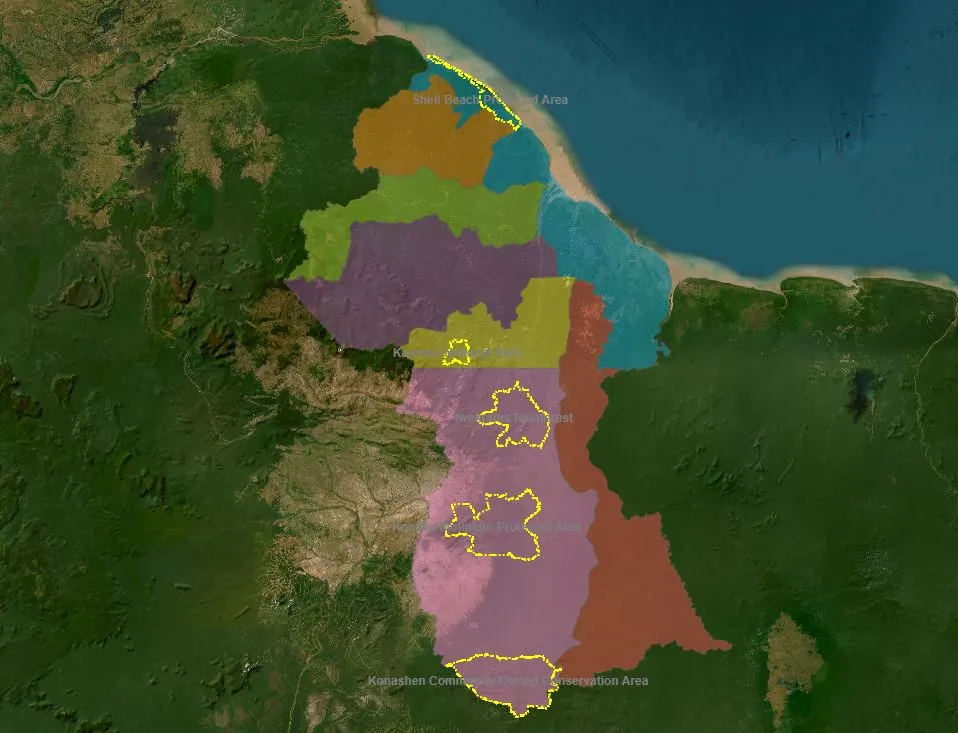
The outcomes — including the lack thereof — largely mean business as usual for Guyana's carbon credit sales.
Although the Antalya Pact collapsed, decisions on carbon trading under Article 6 of the Paris Agreement were adopted separately. On Article 6.2, which covers bilateral trading between countries, negotiators merely acknowledged the expert reviews of national reports, with no follow-up required, and left the existing rules as they were, according to Carbon Brief's analysis. Countries also failed to agree on how to fund the UN infrastructure that supports these trades. They requested a technical paper on funding options ahead of talks next year, and the formal review of the Article 6.2 rules is not due until 2028.
Guyana's credits come from its jurisdictional REDD+ programme, verified under the Architecture for REDD+ Transactions (ART-TREES) standard and authorised for international use under Article 6 of the Paris Agreement. Because COP31 left the existing Article 6.2 rules stable, Guyana's current sales face no sudden regulatory disruption.
At COP31, Vice President Bharrat Jagdeo, who led Guyana's delegation, described jurisdictional carbon markets as the country's "main pathway" for financing forest protection. He said several airlines now buy Guyana's credits, with ART-TREES sales expected to exceed US$100 million this year. He also called on partner countries to pass legislation supporting the Carbon Offsetting and Reduction Scheme for International Aviation (CORSIA), open compliance markets to forest credits and operationalise Article 6.
With the Article 6.2 funding question carried into 2027 and the rulebook review not due until 2028, the growth in compliance-market demand that Jagdeo called for is likely to be gradual.
Beyond that, Guyana has rallied behind CARICOM and other SIDS in calling for a just phase-out of fossil fuels, starting with coal, and for more climate financing for the countries most in need.
As COP heads to the African continent next year, with COP32 set for Ethiopia, stakeholders, particularly those most affected by the crisis, hope there will be more meaningful action to stop the climate crisis.